
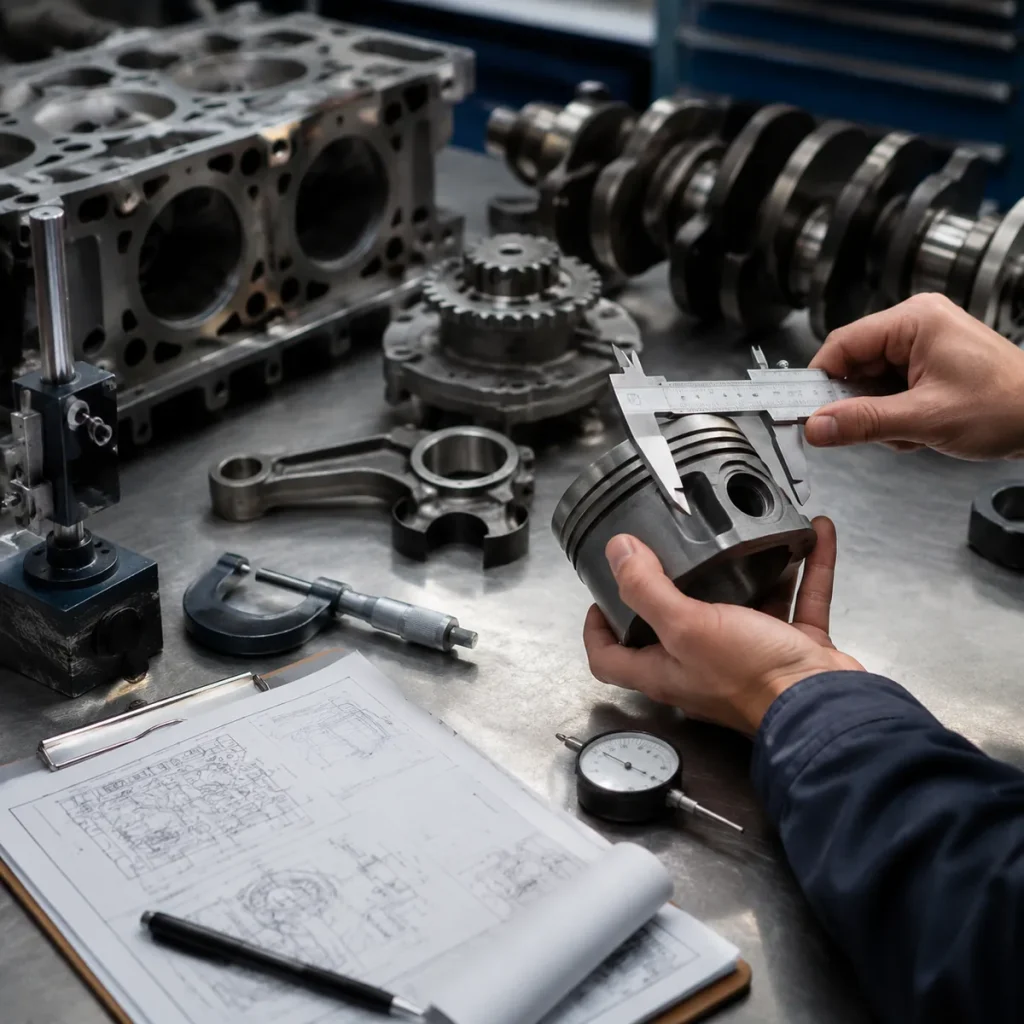
To correctly identify Hino J08C engine parts, you must verify the engine model plate, decode part numbers, inspect casting marks, and measure critical dimensions. This step-by-step guide will walk you through each verification method, helping you avoid costly mistakes and downtime. Whether you are sourcing J08C bearings, pistons, rings, or other components, following this process ensures that you receive the correct parts for your specific engine variant.
Why Accurate Identification Matters for Hino J08C Engines
Accurate part identification is critical for the performance and longevity of Hino J08C engines. These engines power a wide range of commercial vehicles and industrial equipment, and installing an incorrect part can lead to premature wear, reduced fuel efficiency, or catastrophic failure. For B2B buyers sourcing replacement parts, misidentification not only risks engine damage but also causes costly downtime. The J08C series includes variants—turbocharged and naturally aspirated—and minor differences in components can exist between chassis or application specifications. Therefore, a systematic approach to verifying part identity is essential before purchase or installation.
Step 1: Locate and Read the Engine Model Plate
The engine model plate is the primary source of identification data. On Hino J08C engines, it is commonly attached to the rocker cover or the intake manifold. This plate provides the engine model code (e.g., J08C-T for turbocharged or J08C-A for naturally aspirated), displacement, and serial number. The model suffix is crucial because turbo versions may require different pistons, rings, or bearings. Additionally, the serial number can narrow down year-specific changes, as manufacturers may introduce running modifications. If the model plate is missing or unreadable, the engine serial number is often stamped directly onto the cylinder block. Always record the full engine model and serial number before searching for parts, and cross-check with any chassis-specific documentation if available.
Step 2: Decode OEM Part Numbers and Aftermarket Cross-References
OEM part numbers for Hino J08C engines typically follow a 6- or 7-digit format (for example, 13011-xxxxx). When you have the old part’s number, you can use it to find the correct replacement. However, numbers may be superseded; a Hino dealer or an established aftermarket supplier can verify the latest version. For aftermarket parts, cross-reference catalogs map OEM numbers to aftermarket equivalents. Always verify that the aftermarket part matches OEM specifications for dimensions, material, and design features. Beware of generic ‘fits’ claims—always compare the aftermarket number against a reliable source, such as a manufacturer’s electronic catalog or a supplier’s interchange database. Request documentation from your supplier if uncertain.
Step 3: Inspect Casting Marks and Physical Features
Many Hino J08C components have casting marks that aid identification. For example, pistons often have a casting number on the inner skirt (e.g., 13011-1103), though the exact number varies by specification. Bearing shells typically show size grading—STD, 0.25, 0.50—on the back surface, indicating the undersize for crankshaft journals. Some bearings also include a date code or material identifier. Piston rings are usually marked with ‘TOP’ and a number (1 or 2) to indicate orientation and position, and may have a manufacturer’s logo. These markings should be compared with known reference photos from OEM parts catalogs or reputable aftermarket brands. Note that casting numbers may change with production updates, so cross-check with the latest information available for your serial number range.
Step 4: Measure Critical Dimensions
Physical measurement is a crucial verification step. Using a micrometer or caliper, check key dimensions against factory specifications (found in the Hino J08C service manual). Critical dimensions include:
- Piston: Diameter (at specified measuring point, usually near the skirt), pin bore diameter, compression height, and ring groove widths.
- Bearings: Inner diameter of main and connecting rod bearings, verifying size grade (STD, 0.25, 0.50 oversize). Use a bore gauge for precise measurement.
- Piston rings: End gap measured inside the cylinder bore at the appropriate depth, and side clearance within the piston groove.
Measurements must match the standard (STD) or designated oversize/undersize. If you cannot measure precisely, request a dimensional inspection report from your supplier. Never rely on appearance alone; even a millimeter of difference can cause engine failure.
Step 5: Use Photos and Reference Resources
High-quality photos from your supplier can supplement physical inspection. Request detailed images showing the front, back, side, and any markings. Compare these with known-good OEM parts photos from dealer sites or aftermarket catalogs. Look for specific features such as oil hole placement on connecting rods, ring coating types on pistons (e.g., tin-aluminum skirt coating), and bearing color coding (e.g., tin-aluminum vs. copper-lead, which may indicate different load capacities). For piston rings, note the gap configuration and the presence of a chamfer on the inner edge. Using multiple visual references can catch subtle differences that numbers alone might miss.
Common Pitfalls When Identifying J08C Parts
Even experienced buyers can make mistakes. Common pitfalls include:
- Assuming uniformity across J08C variants. The J08C-T (turbo) and J08C-A (naturally aspirated) often have different pistons and ring sets, and cooling nozzle differences can affect piston selection.
- Confusing with similar Hino engines. The J08E and J05C engines have different bore/stroke dimensions, making parts non-interchangeable.
- Blindly trusting aftermarket ‘replaces’ claims. Always verify dimensions, as some listings may incorrectly map part numbers or fail to account for application-specific variations.
- Ignoring supersession. Casting marks may be updated; an older number might not be the current correct part. Check with a dealer using the serial number.
- Overlooking oil gallery alignment in bearing shells. Some J08C bearings have specific oil hole positions that must match the connecting rod or main bore.
Step-by-Step Identification Checklist
Use this checklist when inspecting parts or receiving a shipment:
- [ ] Confirm engine model and serial number from the data plate.
- [ ] Record the OEM part number from the old or new part.
- [ ] Check all casting marks and compare with a trusted reference.
- [ ] Measure: piston diameter, pin bore, compression height; bearing inner diameter; ring end gap.
- [ ] Verify oversize/undersize grade (e.g., STD, 0.25, 0.50).
- [ ] Request supplier certification for aftermarket critical parts.
- [ ] Cross-check with Hino factory specifications (if available).
Related Parts
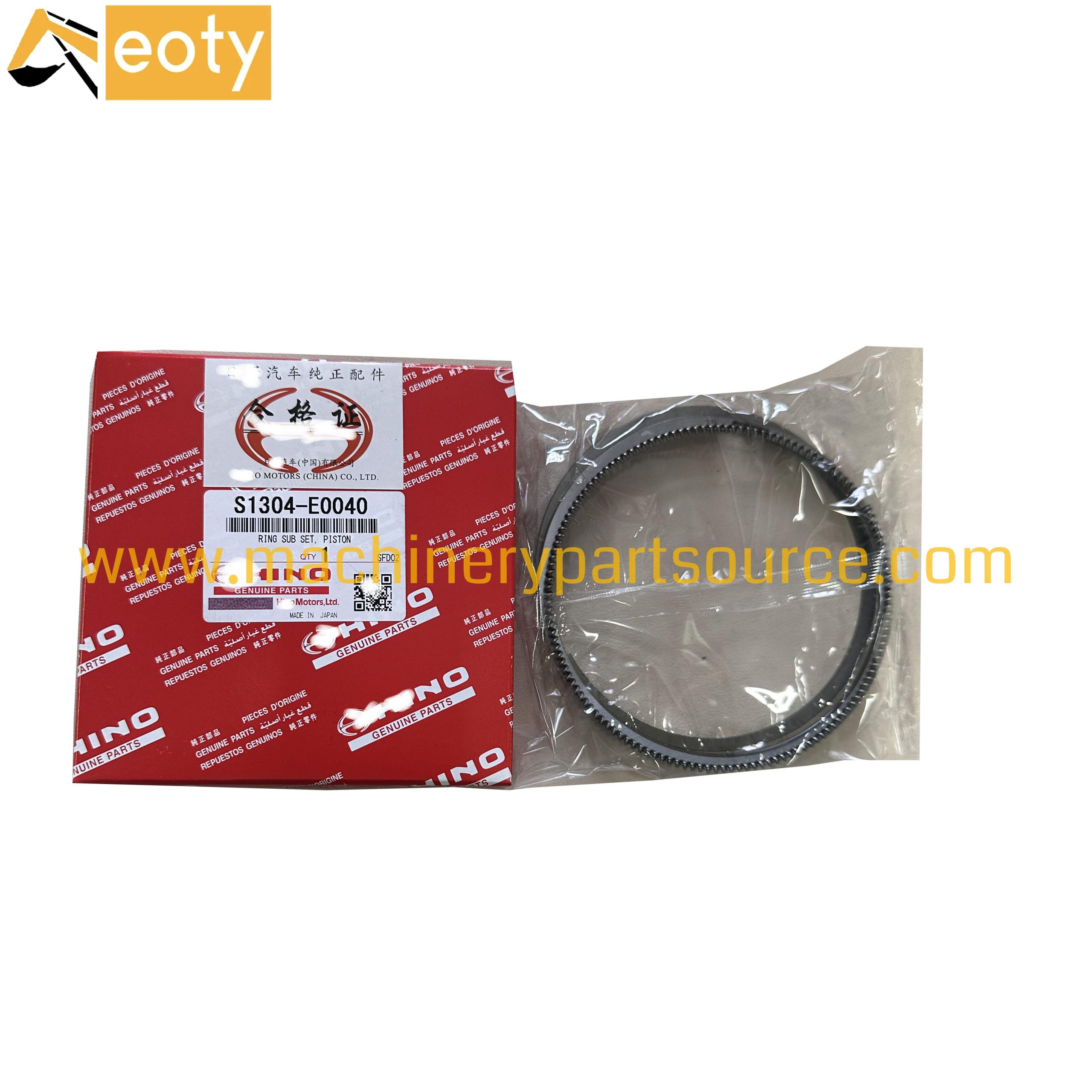
Genuine Hino J08C Piston Ring S1304-E0040 for Truck Engine
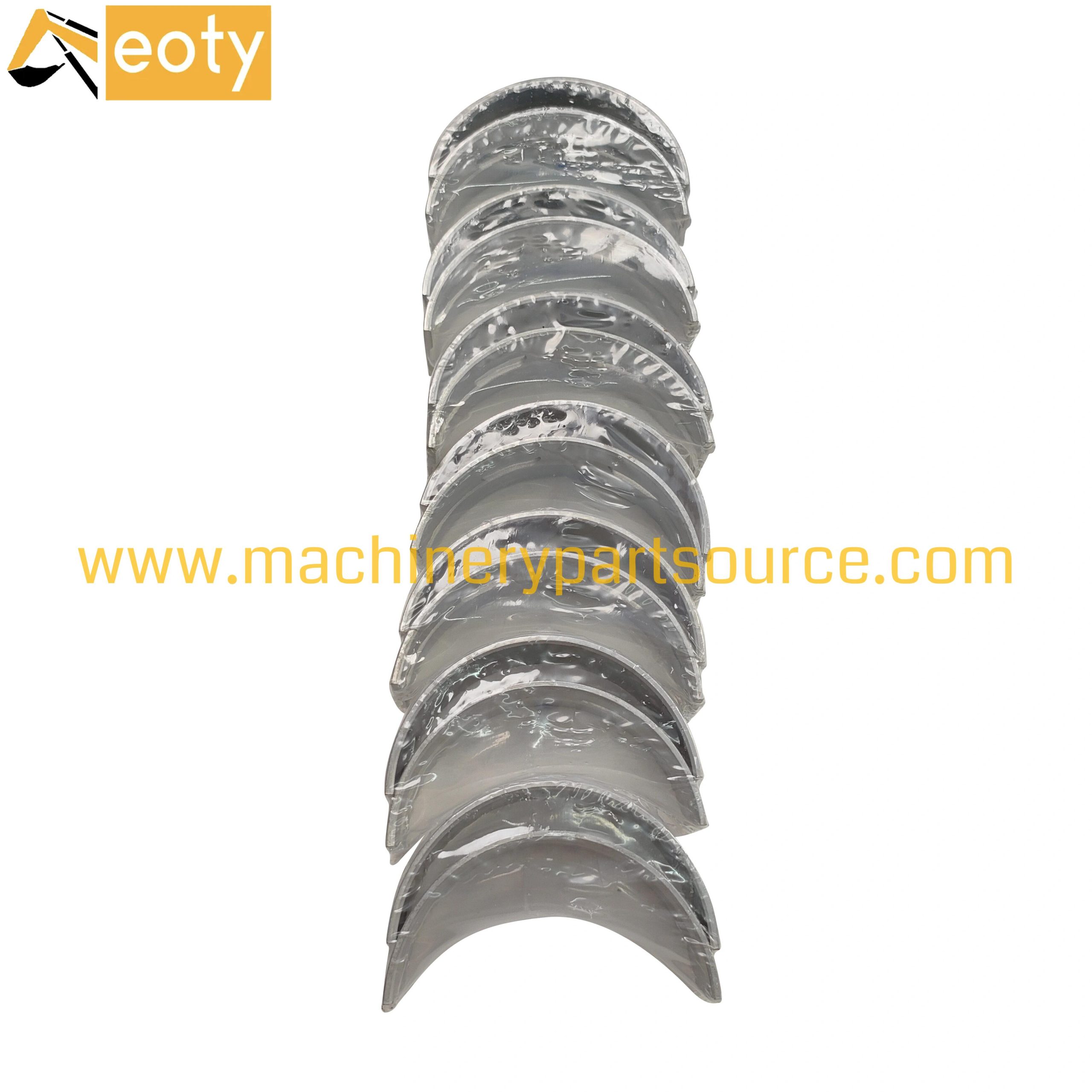
Hino J08C Engine Main Bearing Set (Standard Size) | OEM 13011-1550
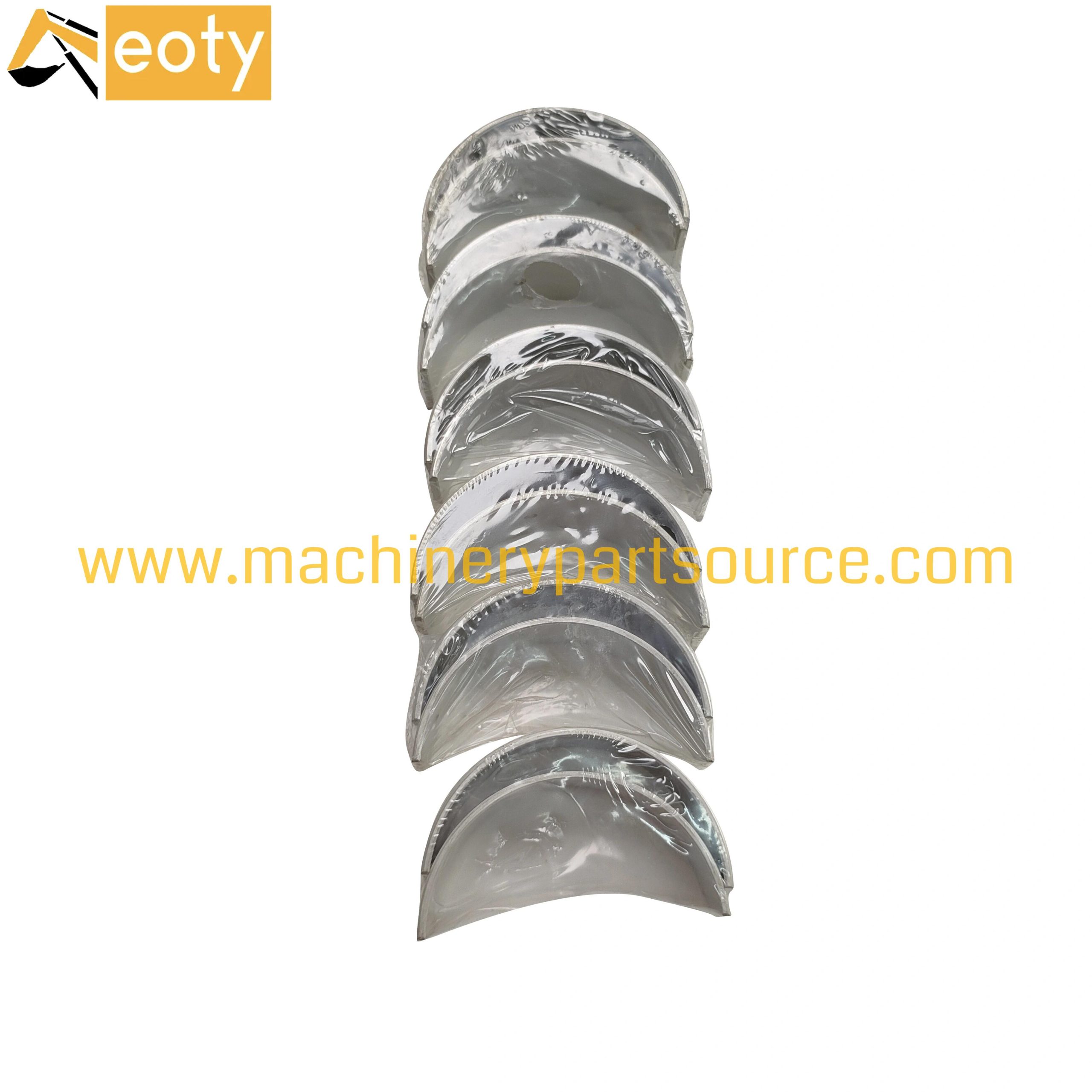
Hino J08C Connecting Rod Bearing Std | OEM 13011-1960 & 13011-1550 | Diesel Engine Parts
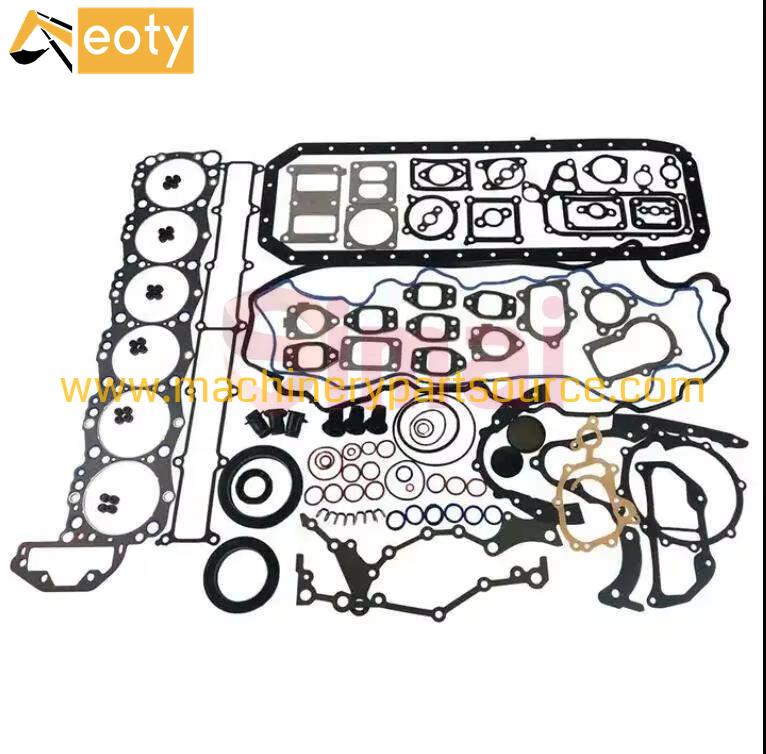
Engine Rebuild Kit J05C J05E J08C J08E P11C K13C Full Gasket Set VH040104187A for Hino
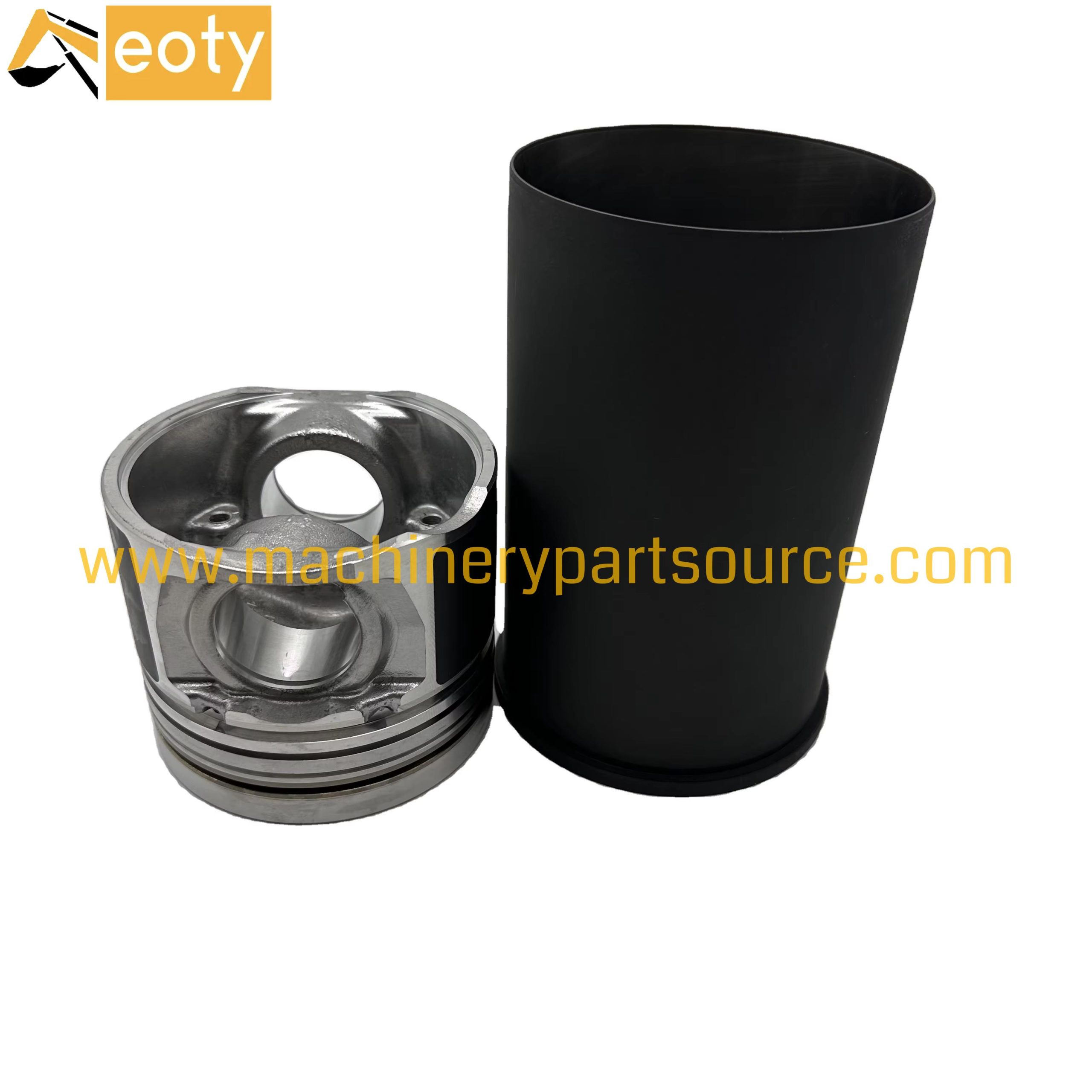
Cylinder Liner Kit J05c J05e J08c J08e K13c P11c W04c W04d W04e W06d W06e Sleeve Liner For Hino
Frequently Asked Questions (FAQ)
Can I use J08E parts on a J08C?
No. The J08E has different bore, stroke, and internal dimensions. Parts are not interchangeable.
How do I know if a piston is for turbo or naturally aspirated?
Turbo pistons often feature a deeper combustion bowl in the crown or different ring groove positions. Compare with OEM catalog images; if in doubt, provide your engine model and serial to the supplier.
Are aftermarket bearings interchangeable by brand?
They can be if the material, size grade, and crush specifications match. A reputable supplier will provide interchange data.
What if my old bearing has no markings?
Measure the crankshaft journals accurately and select bearings based on standard size or the appropriate undersize. Consulting a machine shop is recommended.
What should I do if the part number on my engine doesn’t match any catalog?
It is likely a superseded number. Contact a Hino dealer with your engine serial number to obtain the current part number.
Next Steps: Sourcing Verified Parts
With your identification complete, you can confidently approach suppliers. Prepare a part request that includes the engine model, serial number, recorded OEM numbers, and any measured dimensions. Ask your vendor for cross-reference documents and, for critical components like pistons and bearings, dimensional inspection reports. If aftermarket options are limited, you may need to contact a Hino dealer for OEM part numbers.
Send your part number, engine model or machine model
Our team can check compatible excavator and diesel engine parts for your RFQ.