
To prepare an RFQ for Isuzu 6WG1 engine parts, start by listing the exact part numbers you need, confirming the engine variant and fitment, specifying quantities and packaging, asking suppliers about quality and lead times, and agreeing on shipping and payment terms. A well-prepared RFQ ensures faster, more accurate quotes and minimizes ordering mistakes. This guide walks you through each step to help you build a professional inquiry that attracts serious suppliers and protects your operations from counterfeits or incorrect deliveries.
Related Parts
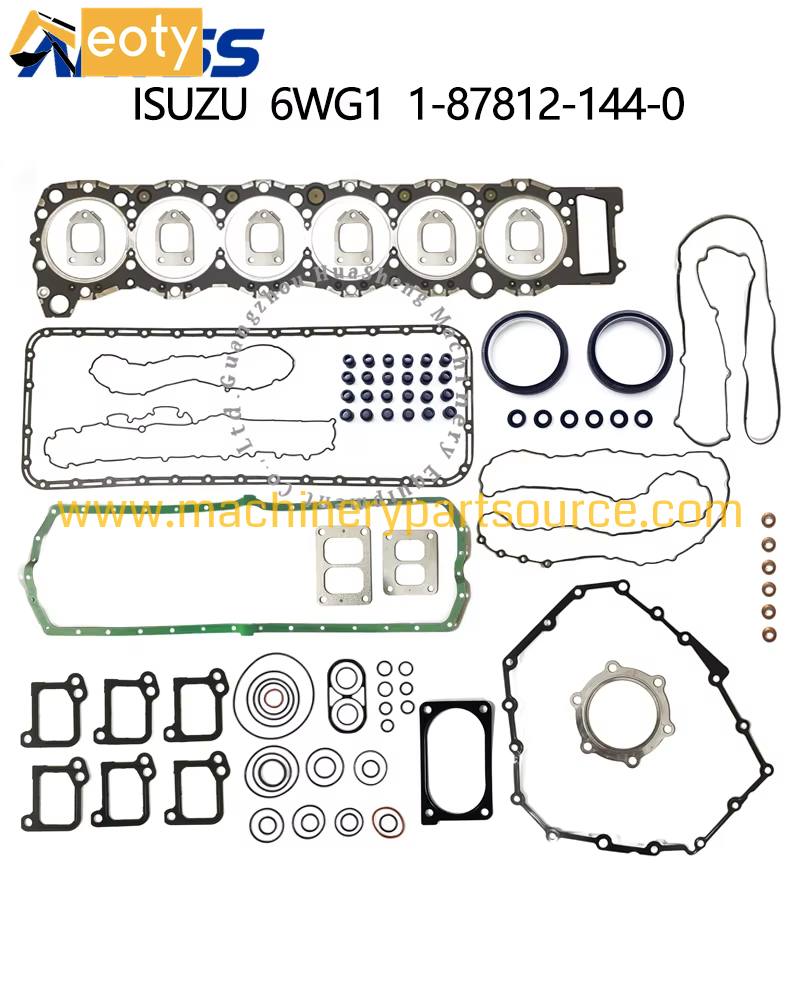
6WG1 Full Overhaul Gasket Kit for Isuzu Excavator Truck Diesel Engine Repair Set
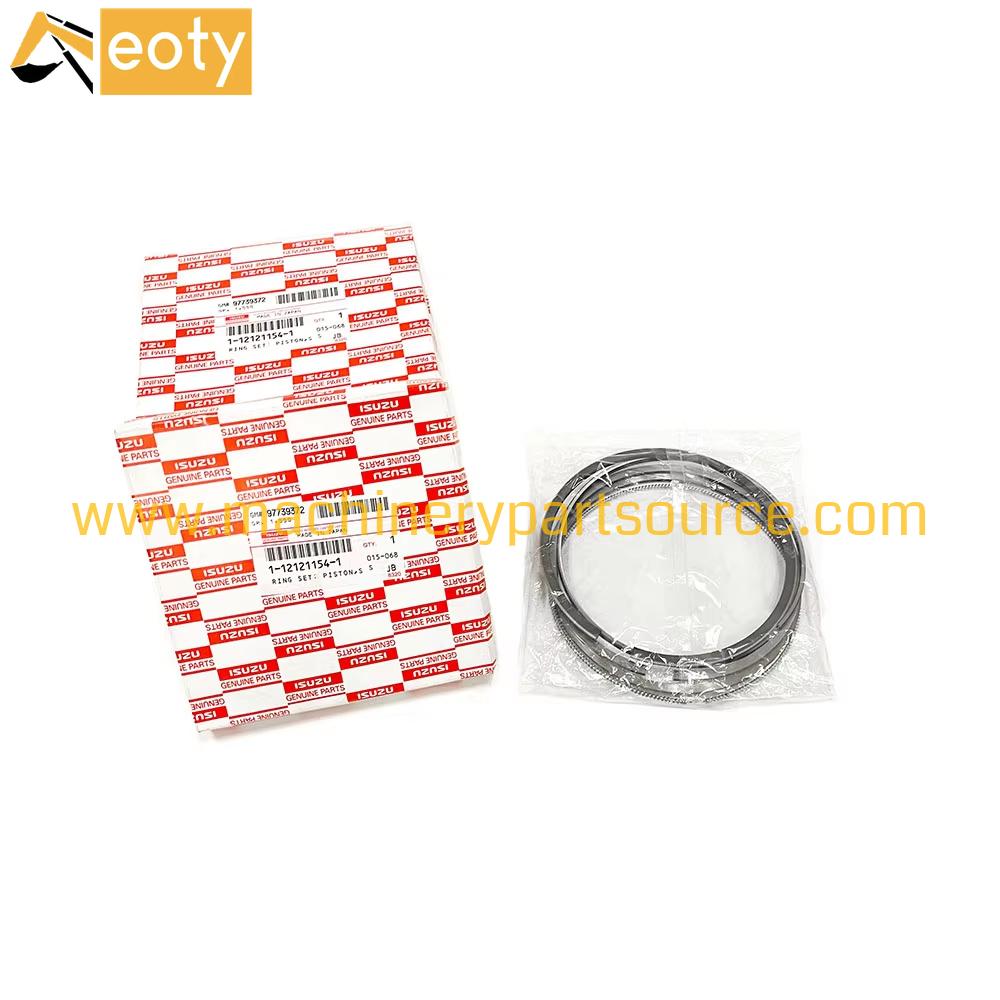
6WG1 Piston Ring 1121211540 1-12121154-0 for Excavator Engine
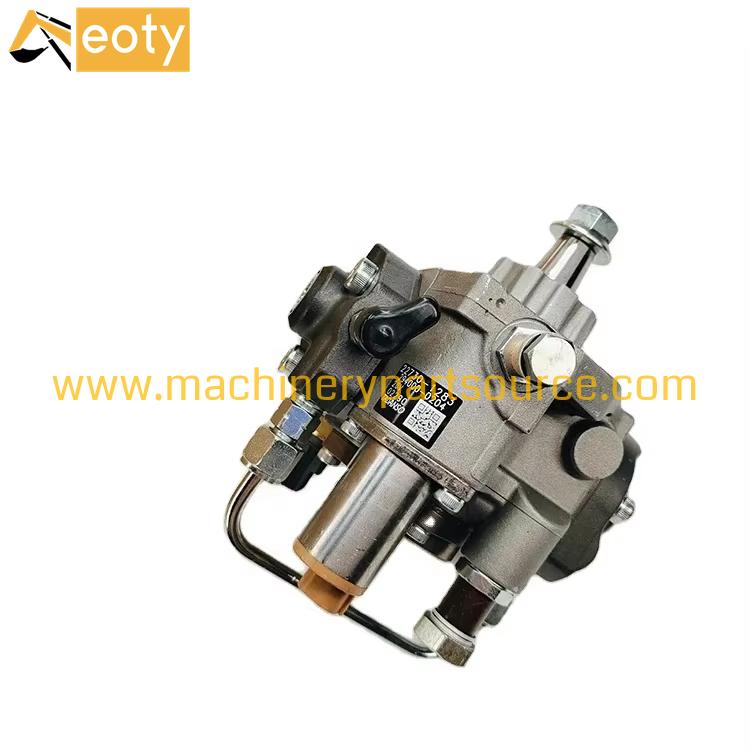
Excavator 6WG1 Fuel Injection Pump 294000-0204 22730-1090 For Isuzu
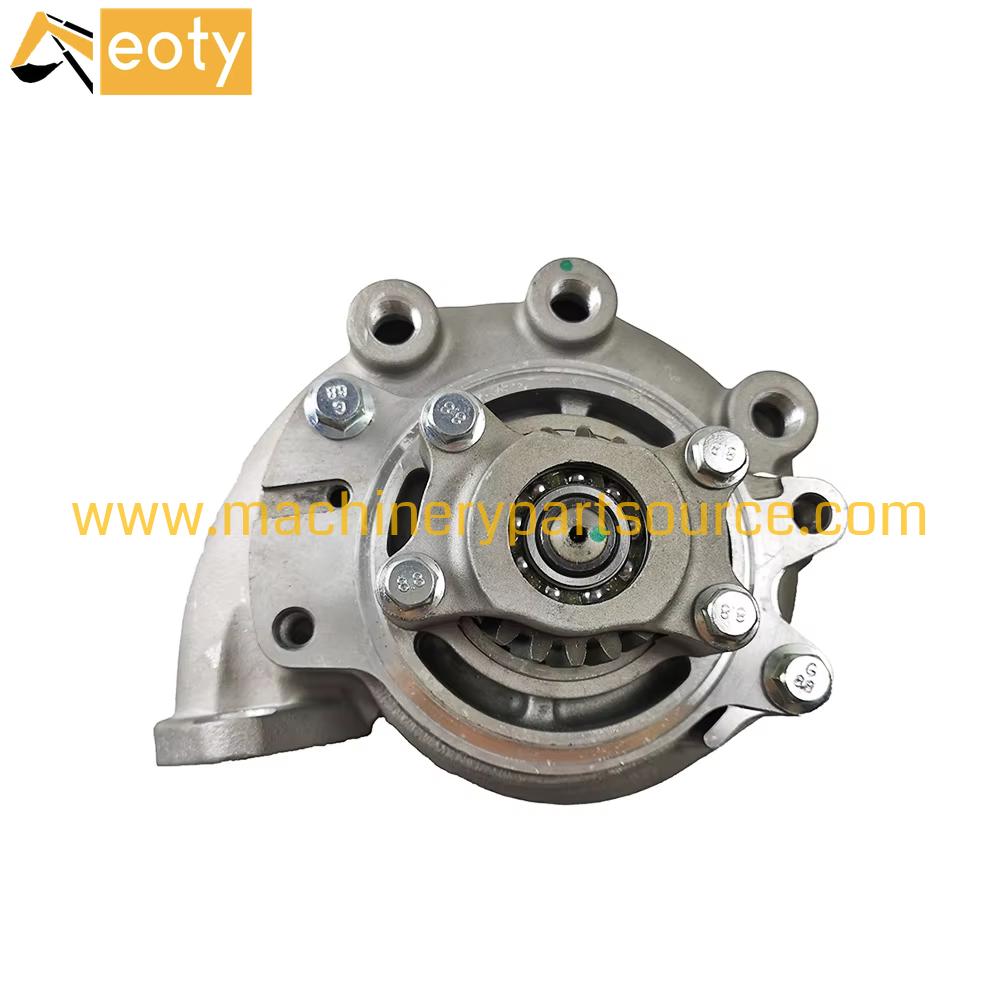
ISUZU 6WG1 Water Pump 8-97615906-0 for ZAX450 Excavator | Diesel Engine Cooling Part
Understanding the Isuzu 6WG1 Engine and Its Common Replacement Parts
The Isuzu 6WG1 is a 6-cylinder, 4-stroke diesel engine known for its durability in heavy equipment such as excavators, dump trucks, and industrial generators. The engine’s widespread use in construction and mining means demand for 6WG1 engine parts is constant, covering everything from routine maintenance to full overhauls. Common replacement parts include 6WG1 gasket sets (head sets, full sets), 6WG1 piston kits with rings and pins, cylinder liners, 6WG1 pump assemblies (water, oil, and fuel injection), and injectors. When sourcing parts, buyers should decide whether they require genuine Isuzu components, OEM equivalents, or aftermarket alternatives. Clearly stating this preference in the RFQ helps suppliers provide relevant quotations.
Identifying the Specific Parts You Need
Start by consulting the engine’s service manual or Isuzu parts catalog to obtain original equipment (OE) part numbers. OEM numbers provide the most precise identification, but be aware that Isuzu occasionally supersedes numbers. A reliable supplier will cross-reference old and new part numbers for you. Always include the engine serial number and model year in the RFQ—this allows suppliers to confirm compatibility. Differentiate between individual parts and assemblies: for example, a 6WG1 gasket set includes multiple gaskets for an overhaul, whereas a single cylinder head gasket is a separate item. Some parts may be sold as kits—clarify whether you need a full engine gasket set or just the head gasket. Grouping related parts (e.g., all pistons and rings for a rebuild) can simplify procurement and may qualify for kit pricing. If you are unsure of a part number, provide a detailed description and, if possible, photographs or dimensions.
Confirming Fitment and Compatibility
The 6WG1 engine has several variants, including 6WG1-T, 6WG1-TC, and others, with differences in emission standards, turbocharging, and auxiliary equipment. Verify your engine’s exact variant and any field modifications before finalizing the parts list. Request technical drawings or dimensional data from the supplier when purchasing critical components like 6WG1 piston assemblies, where even slight variations can lead to failures. Interchangeability between genuine and aftermarket parts varies; always ask the supplier for documented compatibility information specific to your engine variant. Compatibility claims require supplier verification.
Specifying Quantities and Packaging Requirements
Indicate required quantities per part clearly—for example, a full set of 6WG1 piston components typically means six units for a 6-cylinder engine. Clarify whether the price is per unit or per set to avoid misunderstandings. For engine rebuilds, don’t overlook consumables like o-rings and seals that should be included in an overhaul kit. Bulk packaging may be cost-effective for heavy parts like cylinder liners, while delicate items such as sensors, gaskets, and electronic components need individual protective packaging. If the order is for export, specify packaging suitable for ocean freight, such as fumigated wooden crates or heavy-duty cartons. Include any special handling or hazardous material declarations for items like fuel system components. This level of detail helps suppliers include accurate freight and handling costs in their quotations.
Questions to Ask Potential Suppliers
A reliable supplier should be willing to provide:
- Quality management certifications (ISO 9001, IATF 16949) and manufacturing process details.
- Testing and inspection reports (e.g., material certificates, pressure testing for pumps).
- Country of origin and whether the parts are genuine, OEM, or aftermarket.
- Warranty terms—duration, coverage, and claim procedure. Warranty specifics must be confirmed with each supplier.
- Lead times for both off-the-shelf and custom-made parts. Lead times vary; request current estimates.
- References or case studies for similar 6WG1 part shipments.
Avoid suppliers who cannot clearly answer these questions.
Understanding Shipping and Payment Terms
Agree on INCOTERMS (e.g., FOB, CIF) early to avoid misunderstandings about risk and cost responsibilities. For international orders, specify the preferred shipping method—air freight is faster but costly, sea freight suits larger, less urgent orders. Ask about minimum order quantities (MOQ) and whether partial shipments are possible. Payment terms for B2B transactions usually involve a deposit (often 30–50%) with the balance paid before shipment or against shipping documents (T/T or Letter of Credit). Clarify all banking and documentation requirements to prevent delays.
Finalizing Your RFQ Document
Compile all information into a single, structured document. Include:
- A table listing parts with: OEM part number, description, quantity, preferred brand (genuine/OEM/aftermarket).
- Engine details: model, serial number, year of manufacture, variant.
- Packaging and shipping instructions.
- Supplier questions: request the quality, warranty, and lead time details mentioned above.
- Response deadline and contact information.
Attach any supporting documents (engine nameplate photos, service manual excerpts). A complete RFQ demonstrates professionalism and helps suppliers prioritize your inquiry.
Send your part number, engine model or machine model
Our team can check compatible excavator and diesel engine parts for your RFQ.
Frequently Asked Questions (FAQ)
What is the typical lead time for 6WG1 engine parts?
Lead times depend on the supplier and part type. Commonly stocked parts like 6WG1 gasket sets or water 6WG1 pump assemblies may ship within a few days, while specialized or made-to-order components can require several weeks. Always confirm current lead times with suppliers; do not rely on generic estimates.
Can I request samples before placing a bulk order?
Many suppliers provide samples for critical parts such as 6WG1 piston assemblies, but this must be negotiated. Sample delivery times and costs vary; inquire about sample policies before finalizing your RFQ.
Are aftermarket parts interchangeable with genuine Isuzu parts?
Interchangeability depends on the specific part and engine variant. High-quality aftermarket parts may meet or exceed OEM specifications, but some components require precise matching. Always request documented compatibility assurance from the supplier. Specific claims should be verified.