
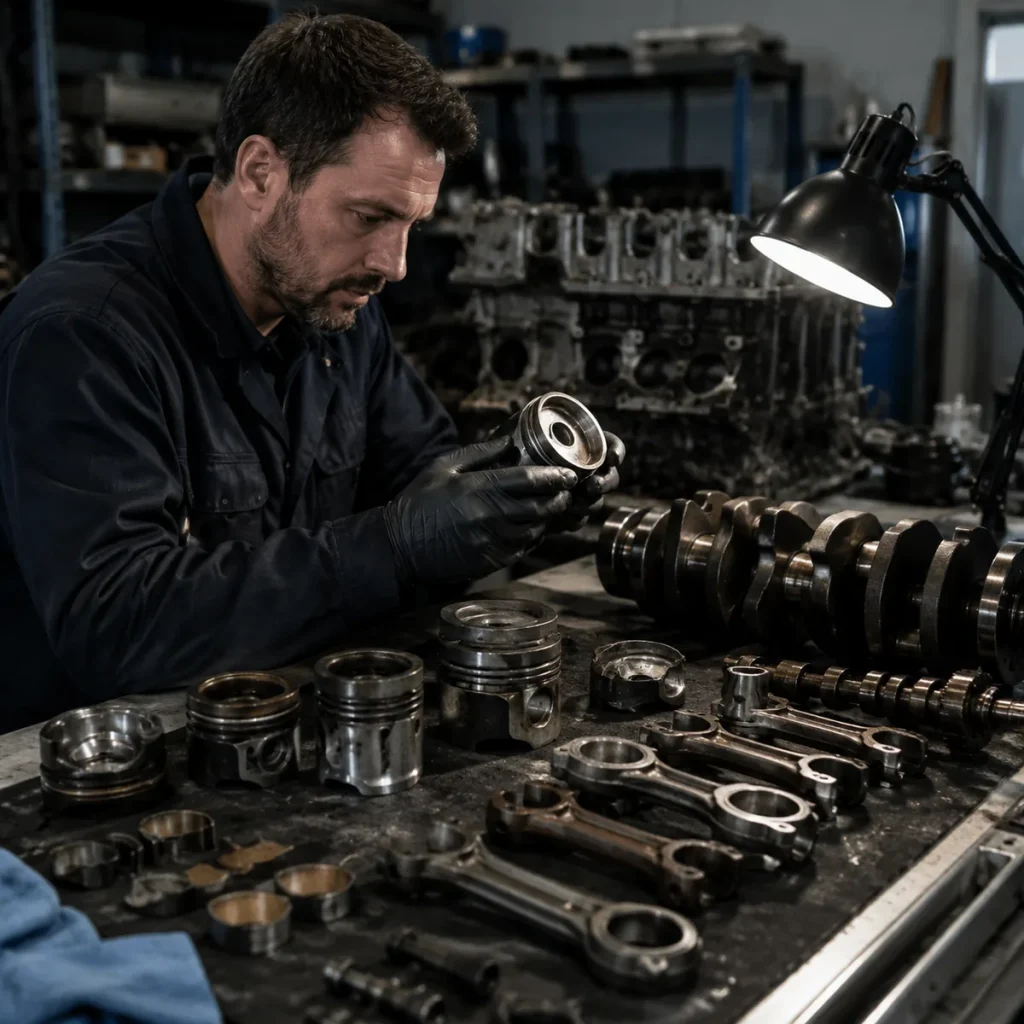
Recognizing when a Mitsubishi 6D22 diesel engine requires a rebuild is essential to avoid catastrophic failure and unplanned downtime. This article provides a systematic approach to identifying warning signs and performing key inspections on gaskets, bushings, valves, and other critical Mitsubishi 6D22 replacement parts.
Understanding the 6D22’s Common Failure Modes
The naturally aspirated, six-cylinder Mitsubishi 6D22 powers heavy equipment such as excavators, generators, and trucks. It operates under sustained high heat and mechanical stress, which over time leads to predictable failure patterns. Common issues include head gasket leaks, valve and seat wear, fatigue of main and rod bearings, and piston ring sticking. Recognizing these patterns early—through oil consumption trends, noise changes, or performance loss—allows maintenance teams to plan a rebuild on their schedule rather than reacting to a sudden failure.
Top Warning Signs That Indicate a Needed Rebuild
Always base rebuild decisions on multiple, corroborating pieces of evidence rather than a single symptom. The following signs often point to internal wear or damage that warrants further investigation.
- Coolant in oil or oil in coolant: A milky appearance on the dipstick or in the radiator indicates a breached head gasket or liner seal. Confirm with a cooling system pressure test and a used oil analysis for glycol.
- Metal particles in oil: Visible sparkles or magnetic debris suggest bearing or gear wear. A laboratory oil analysis should be performed to quantify wear metals and identify the source before teardown.
- Excessive exhaust smoke: Blue smoke signals oil burning (rings, valve seals, or turbo if equipped); white smoke suggests coolant entry; black smoke indicates incomplete combustion. Use a cylinder contribution test and borescope to isolate the culprit cylinders.
- Loss of power, hard starting, or rough idle: A compression test (dry and wet) helps identify weak cylinders. Values below OEM specification or a spread greater than 10% between cylinders require further leak-down diagnosis.
- Knocking or tapping noises: Use a mechanic’s stethoscope to localize the sound. A consistent knock at crankshaft speed may point to rod bearings; a top-end tap often relates to valve train clearance or worn bushings.
Systematic Inspection Sequence for the 6D22
Follow a safe, ordered procedure to avoid misdiagnosis or causing additional damage. The steps below assume the engine is still in the chassis but can be adapted for a bench inspection.
- Visual and fluid check: Examine coolant and oil levels, color, and smell. Note any external leaks or residue around the head gasket, oil pan, and front/rear seals.
- Compression test: With the engine warm and the throttle wide open, record dry and wet compression for all cylinders. Investigate any cylinder more than 10% below the highest reading.
- Cylinder leak-down test: Apply regulated air to each cylinder at TDC on the compression stroke. Listen for air escaping at the intake, exhaust, or crankcase vent to pinpoint leak sources (valves, rings, or gasket).
- Cooling system pressure test: Pressurize the system to the cap rating and check for external leaks, a falling gauge, or bubbles in the radiator—evidence of a combustion leak.
- Borescope inspection: Inspect cylinder walls through the injector or glow plug holes. Look for scoring, cracking, or glazing that would mandate liner replacement.
- Clearance measurement (if pan removed): Use Plastigage or a dial bore gauge to measure main and rod bearing clearances. Compare to OEM service limits.
- Valve train inspection: Remove the valve cover and measure valve clearance with feeler gauges. Check stem and guide wear with a micrometer; inspect rocker arm bushings for play.
Key Part Groups to Inspect During Tear-Down
Once the decision to rebuild is made, focus your inspection on the component groups that most commonly require replacement. Always refer to the Mitsubishi service manual for your engine’s serial number range for exact specifications and tolerances.
- Gaskets and seals: The cylinder head gasket, valve cover gasket, oil pan gasket, intake/exhaust manifold gaskets, front and rear main seals, and injector O-rings are part of every overhaul gasket set. Look for compression stains, erosion, or cracks. 6D22 gasket kits are available as upper, lower, or full sets.
- Bushings: Inspect valve guide bushings, rocker arm bushings, and piston pin bushings. Measure for ovality and clearance with a bore gauge. If any 6D22 bushing exceeds the service limit, it should be replaced. Many rebuilders replace all bushings as preventive maintenance.
- Valves and valve train: Examine each 6D22 valve (intake and exhaust) for burning, pitting, or stem wear. Check springs for free length and squareness, and replace stem seals as a matter of course. If seat recession is excessive, the head may need a valve job.
- Piston rings and liners: Measure ring end gap with a feeler gauge in the unworn portion of the liner. Check liner wear (taper and out-of-round) with a dial bore gauge. Replace rings if gaps exceed OEM specifications; liners should be replaced or re-bored if outside tolerance.
- Bearings: Examine main bearings, connecting rod bearings, and thrust washers. Any copper showing, scoring, or flaking requires replacement. Measure with Plastigage to confirm clearance before ordering new bearing sets.
- Fuel system components: While not strictly part of the engine core, injection nozzles, delivery valves, and pump seals often degrade at a similar rate. Test spray patterns and pressure; overhaul or replace as needed to ensure proper combustion after the rebuild.
Related Parts
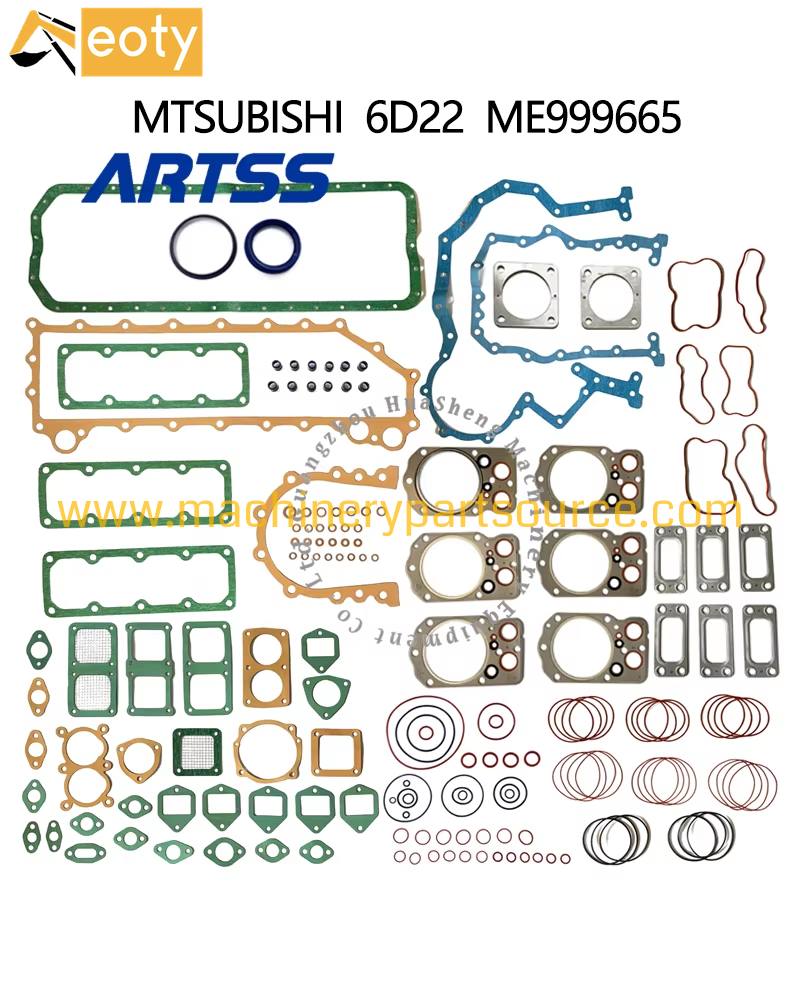
6D22 Complete Full Engine Overhaul Gasket Kit For Mitsubishi 6D22 Diesel Engine Excavator Truck
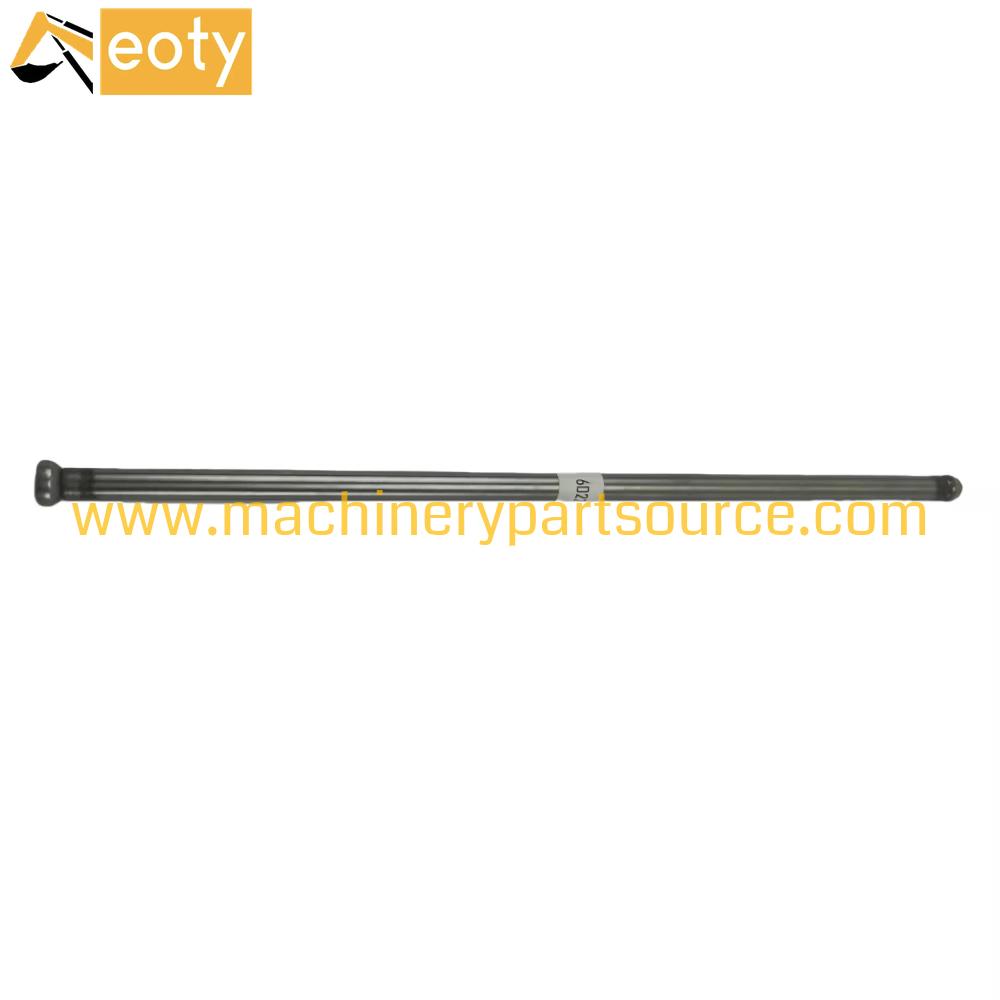
6D22 Valve Push Rod Suitable For Mitsubishi Engine Parts Construction & Industrial
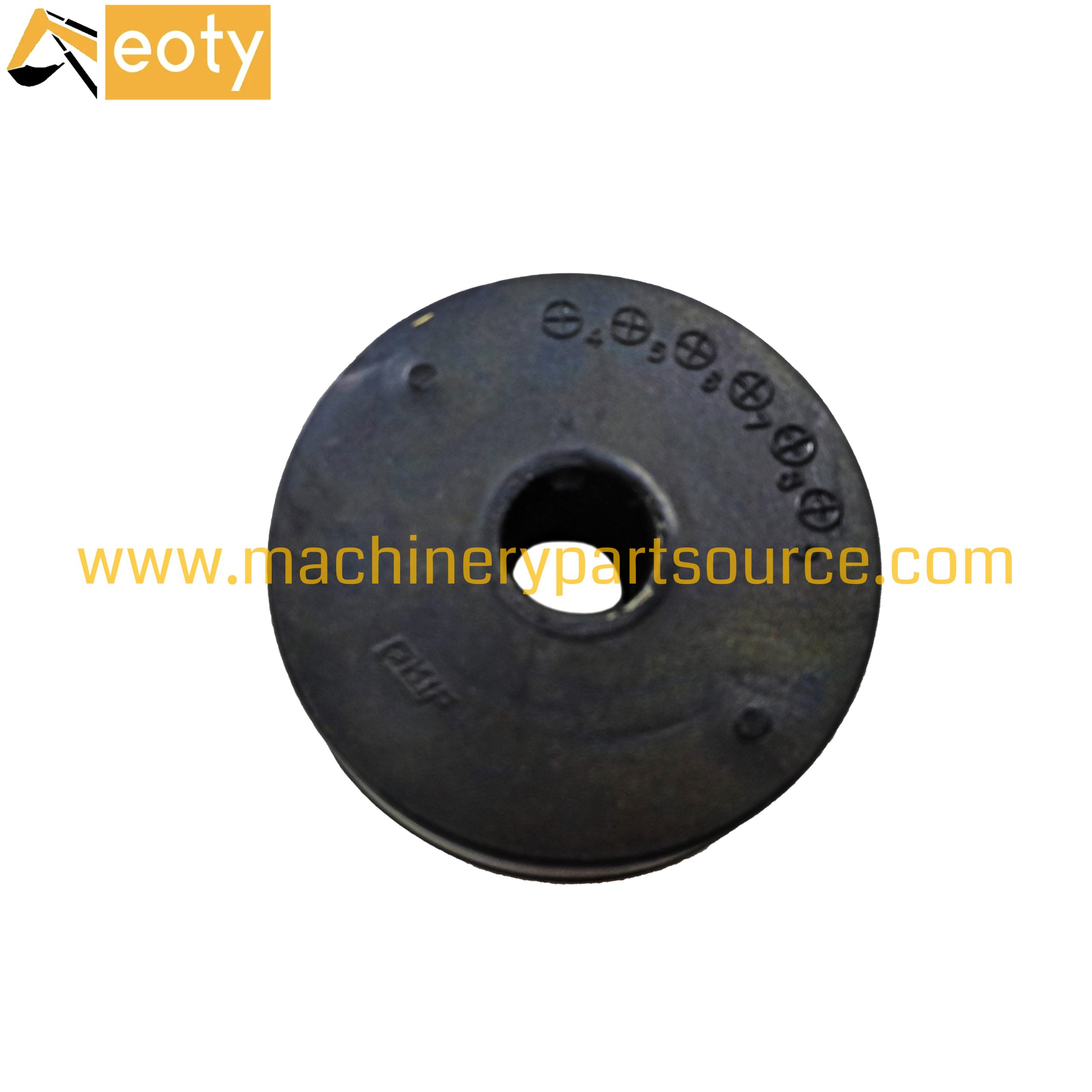
Mitsubishi 6D22 Engine Cushion Mount 4217255 | High-Durability Rubber & Steel Bushing
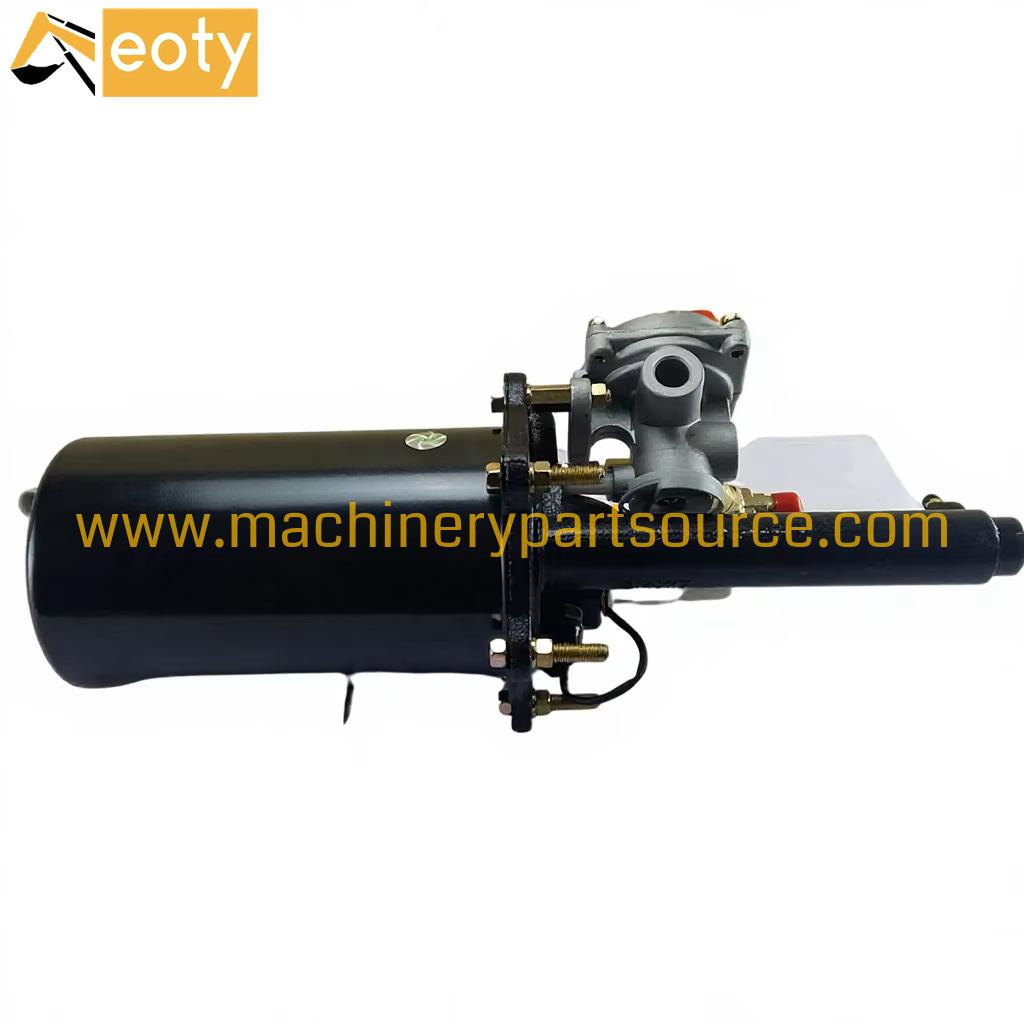
6D22 Air Brake Booster for Mitsubishi Diesel Engine Parts Excavator Truck Loader
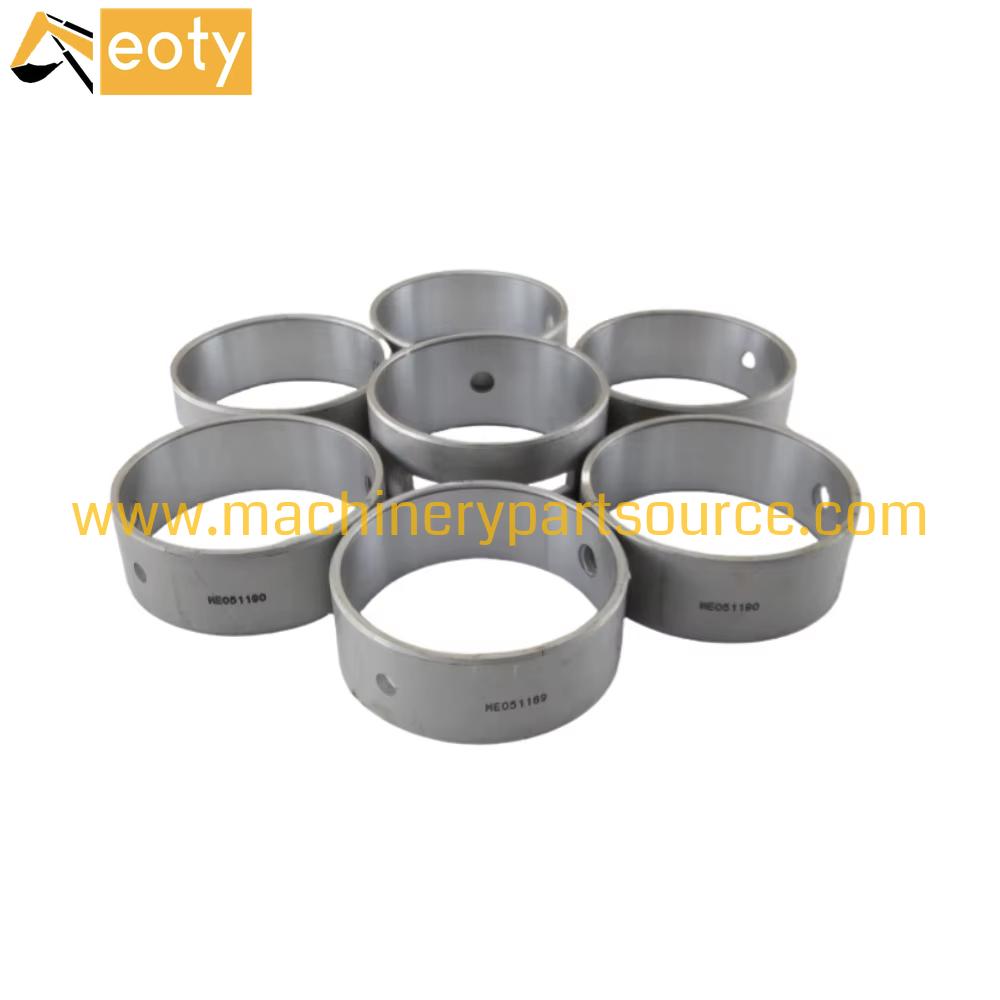
Mitsubishi 6D22 Engine Eccentric Bearing Bush | Heavy Equipment Repair Part
Evidence-Based Replacement Criteria
Do not replace parts solely based on age or guesswork. The following physical evidence justifies replacement for each part group:
- Head gasket: Documented leak between cylinders, into a coolant passage, or to the exterior. A compression leak-down test with visible bubbles in the radiator provides definitive proof.
- Valves: Burn marks, cracks, or stem wear beyond the service limit. Measure stem diameter in multiple places; if the clearance to the guide exceeds the OEM maximum, both valve and guide bushing should be replaced.
- Bushings: Ovality or clearance above the specified limit. For example, if the valve guide bushing clearance is beyond the factory wear limit (refer to manual for exact value), install a new 6D22 bushing and ream to size.
- Piston rings: Broken, glazed, or ring end gap above the service limit. A gap that is too large causes blow-by and oil consumption; too small risks scuffing upon heat expansion.
- Bearings: Scoring, flaking, or copper visible through the overlay. Always measure clearance with Plastigage; compare to the OEM range. Oversize bearings may be needed if the crankshaft has been ground.
Related Parts and Seal Kits for 6D22 Overhaul
A complete rebuild typically requires gasket sets, seal kits, bearings, and often a valve train overhaul. Below are common assemblies to source when planning your rebuild. Note that many 6D22 engine parts are available in standard and undersize/oversize variants to accommodate machining.
- Full gasket set (upper and lower): Includes head gasket, manifold gaskets, thermostat housing gasket, oil pan gasket, and all necessary O-rings and seals.
- Valve stem seal kit and valve guide bushing set: Replacing stem seals during a head refresh prevents oil from being drawn into the intake. Worn guides often warrant a full set of bushings.
- Main and rod bearing sets: Available in standard or undersize (e.g., 0.25 mm, 0.50 mm). Select based on measured crank journal diameters.
- Piston ring sets: Matched to liner condition; if liners are bored oversize, corresponding oversize rings must be used. Standard rings fit standard bore dimensions.
- Fuel injection pump and injector overhaul kits: Include seals, gaskets, nozzles, and delivery valves. Reconditioning these ensures the rebuilt engine starts and runs smoothly.
Frequently Asked Questions
How can I tell if my 6D22 needs a rebuild without taking it apart?
Perform compression and leak-down tests, plus oil analysis for metal content. A combination of low compression (below OEM spec), excessive leak-down past the rings, and elevated wear metals in the oil strongly suggests a rebuild is needed.
What is the most common part to fail on the 6D22?
According to many rebuilders, the cylinder head gasket is frequently a weak point, especially if the engine has experienced overheating. However, proper maintenance and avoiding coolant neglect can extend its life. [claim requires review]
Should I replace all bushings when rebuilding?
Only if they show wear beyond specification. However, because checking each bushing adds time, many shops replace valve guide bushings, rocker arm bushings, and piston pin bushings as a standard practice during an overhaul.
Where can I find OEM-quality 6D22 gaskets and seals?
Industrial parts suppliers like our company offer aftermarket and OEM-equivalent parts. Always verify compatibility by cross-referencing your engine’s OEM part numbers. Use our request-for-quote system to receive a tailored offer.
Where to Find Replacement Parts for Your 6D22
Our catalog includes a wide range of Mitsubishi 6D22 replacement parts, from individual 6D22 gasket sets to complete overhaul kits. All inquiries are handled by our parts specialists who can verify fitment using your engine serial number or existing part numbers.
To request pricing or check stock, submit an RFQ with your specifications. We do not publish prices online—each quote is prepared based on your requested items, current availability, and lead time.
Send your part number, engine model or machine model
Our team can check compatible excavator and diesel engine parts for your RFQ.