
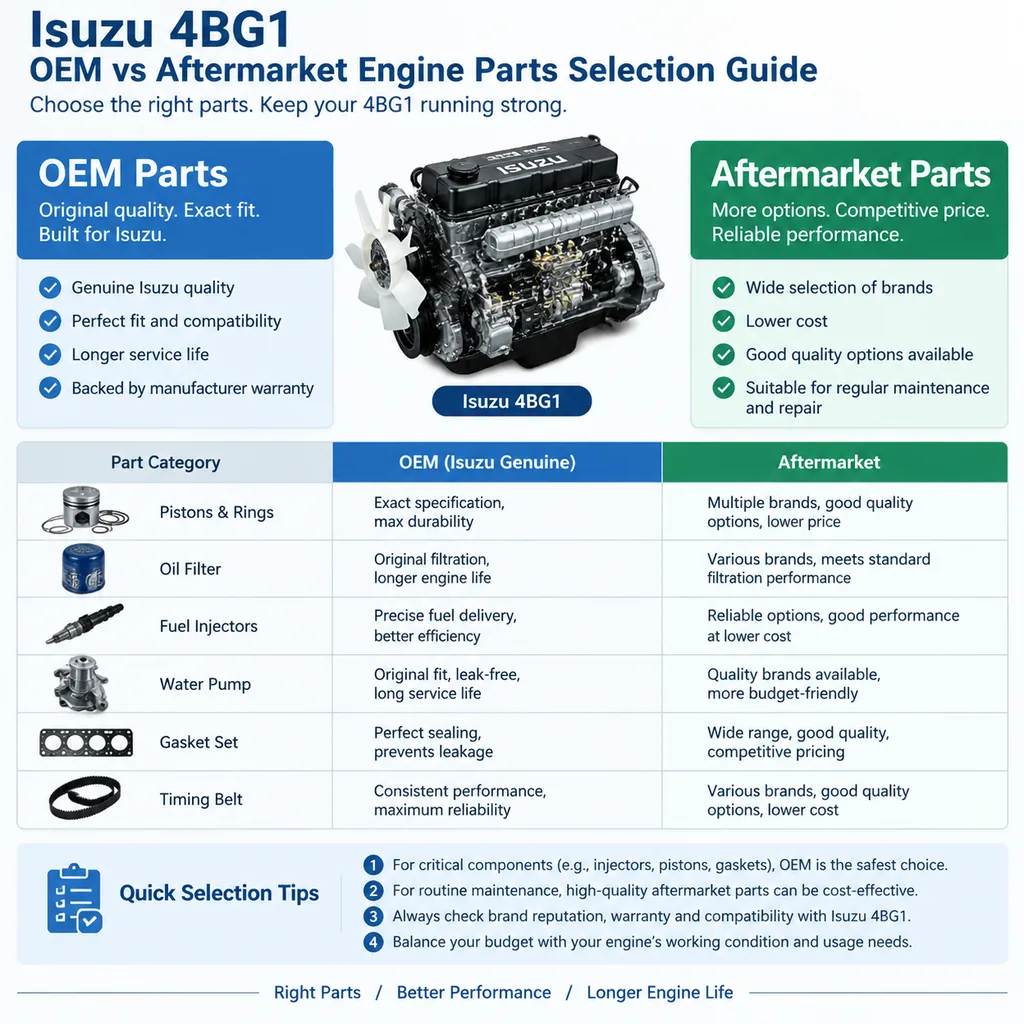
Direct answer: There is no single best source for Isuzu 4BG1 engine parts. OEM and aftermarket options each have strengths and weaknesses depending on the specific component, your engine serial number, operating conditions, warranty requirements, and budget. The most reliable approach is to compare parts using neutral criteria, ask suppliers for documentation, and request quotes from both sources before deciding.
Understanding OEM and Aftermarket Parts for the Isuzu 4BG1
When a 4BG1 engine needs replacement parts, buyers generally choose between two sourcing paths: original equipment manufacturer (OEM) parts and aftermarket parts. In general industry use, OEM parts are produced by or for the original engine manufacturer and are often sold through authorized dealers or OEM-approved suppliers. Aftermarket parts are produced by independent third-party companies and can range from high-quality equivalents to lower-cost alternatives with varying documentation.
OEM parts may be branded with the manufacturer name or supplied through a licensed supplier. Aftermarket parts can be sold under many brand names. Some aftermarket manufacturers specialize in specific engine families such as the 4BG1.
The Isuzu 4BG1 is commonly referenced in industrial and construction equipment applications, but you should confirm the exact machine model and engine serial number before ordering. Operating conditions such as load, duty cycle, dust, and temperature can affect which part qualities matter most.
Do not automatically assume OEM parts are always superior or that aftermarket parts are always inferior. Each part category and supplier should be evaluated on its own merits.
Key Comparison Criteria for 4BG1 Engine Parts
Use the following criteria as a neutral framework when comparing OEM and aftermarket options.
| Criterion | What to check |
|---|---|
| Material and construction | Ask for metallurgy, coatings, heat treatment, and manufacturing process where relevant to the part. |
| Dimensional tolerances | Confirm that critical dimensions meet or exceed the original 4BG1 specifications for fit and clearance. |
| Warranty and support | Compare warranty length, coverage, technical support, and return policies between suppliers. |
| Availability and lead time | Check stock levels, shipping time, and minimum order quantities for each option. |
| Price and total cost | Compare initial price against expected service life and the cost of downtime if a part fails early. |
| Certifications and quality control | Look for relevant industry certifications or supplier quality documentation you can verify. |
| Brand reputation and traceability | Research the supplier and the aftermarket brand; ask whether part origin can be traced. |
Request specifications for any part you are considering, especially if you are comparing an aftermarket option against an OEM reference. For example, a lower-priced aftermarket 4BG1 bearing may be acceptable if the material and clearances match the OEM specification and the supplier offers a warranty. If the datasheet is missing, the price difference may not justify the risk.
Tradeoffs: When OEM or Aftermarket Might Fit Your Needs
There is no universal rule that OEM is better or aftermarket is worse. The right choice depends on the part, the engine application, and your risk tolerance.
- OEM may be preferred for critical internal components, when warranty compliance is required, or when exact original specifications must be maintained.
- Aftermarket may be considered for cost savings, for hard-to-find parts, or when an independent brand can demonstrate equivalent specifications and quality.
- Consider engine application, duty cycle, risk tolerance, and budget constraints before choosing.
- For high-hour or severe-duty engines, part quality becomes more critical. In these cases, consult a specialist or request documented test data.
Some buyers choose OEM for the first overhaul of a high-hour engine but use verified aftermarket parts for less critical external components. Others standardize on one supplier after qualifying their quality process.
Do not assume that the cheapest aftermarket part is the best value, or that the most expensive OEM part is always the lowest risk. Compare the full cost of ownership for your specific 4BG1 application.
Component-Specific Considerations: Bearing, Liner, and Pump
Applying the comparison framework to common 4BG1 part categories helps make the decision more concrete. Engine variants and machine applications can affect part numbers, so always confirm the specific 4BG1 variant before ordering.
4BG1 Bearings
Whether you are sourcing main bearings, connecting rod bearings, or thrust washers, check load ratings, material composition, and tolerance ranges suitable for the crankshaft or connecting rod application. Verify the part number against the engine serial number and any OEM cross-reference.
4BG1 Liners
For cylinder liners, confirm material, surface finish, inside/outside diameter tolerances, and flange dimensions. Proper fit and heat transfer are important for engine performance and durability. Ask for dimensional inspection data or supplier specifications if available.
4BG1 Pumps
For oil or water pumps, compare flow rates, pressure ratings, drive type, and compatibility with the engine’s lubrication or cooling system. Aftermarket pumps may offer different internal designs or materials; request a specification sheet before ordering.
For any component, cross-reference the OEM part number and engine serial number to reduce the risk of a mismatch. Even within the 4BG1 family, variations can affect fitment.
Verification Questions to Ask Before You Buy
Before accepting a quote, ask the supplier or manufacturer these questions to validate the part:
- Can you provide the OEM part number cross-reference for this part?
- What is the country of origin and manufacturing standard?
- What warranty is offered, and what does it cover?
- What is the return policy if the part does not fit or perform?
- Do you have technical datasheets or test reports?
- Are there any certifications (such as ISO) for this aftermarket brand?
- What is the lead time and minimum order quantity?
- Can you provide references from similar applications?
Record the answers so you can compare multiple suppliers side by side.
Decision Checklist for Your Isuzu 4BG1 Parts Selection
Use this step-by-step checklist to keep the selection process organized:
- Identify the exact Isuzu 4BG1 part number and engine serial number.
- Determine how critical the part is for your application.
- Set a budget and consider total cost of ownership, not only purchase price.
- Check warranty requirements and any dealer or equipment warranty policies.
- Evaluate supplier reliability, return policy, and technical support.
- Request quotes from both OEM and aftermarket sources for the same part number.
- Compare specifications side-by-side, including tolerances and materials.
- Make a decision based on risk, cost, and availability.
- Document your choice, supplier, and part number for future reference.
If a part is not in stock or lead time is long, the decision may shift toward whichever option keeps the machine running.
Related Parts and Kits for 4BG1 Overhauls
If you are planning a repair or overhaul, consider related components that may need replacement at the same time. Common related parts include gasket kits, seals, pistons, valves, and fasteners. Sourcing related parts together may help ensure compatibility and reduce downtime. Verify each part against the engine serial number and the relevant parts catalog.
Aftermarket overhaul kits may bundle multiple components. Review the kit contents and specifications carefully because a lower kit price can hide differences in individual part quality.
Related Parts
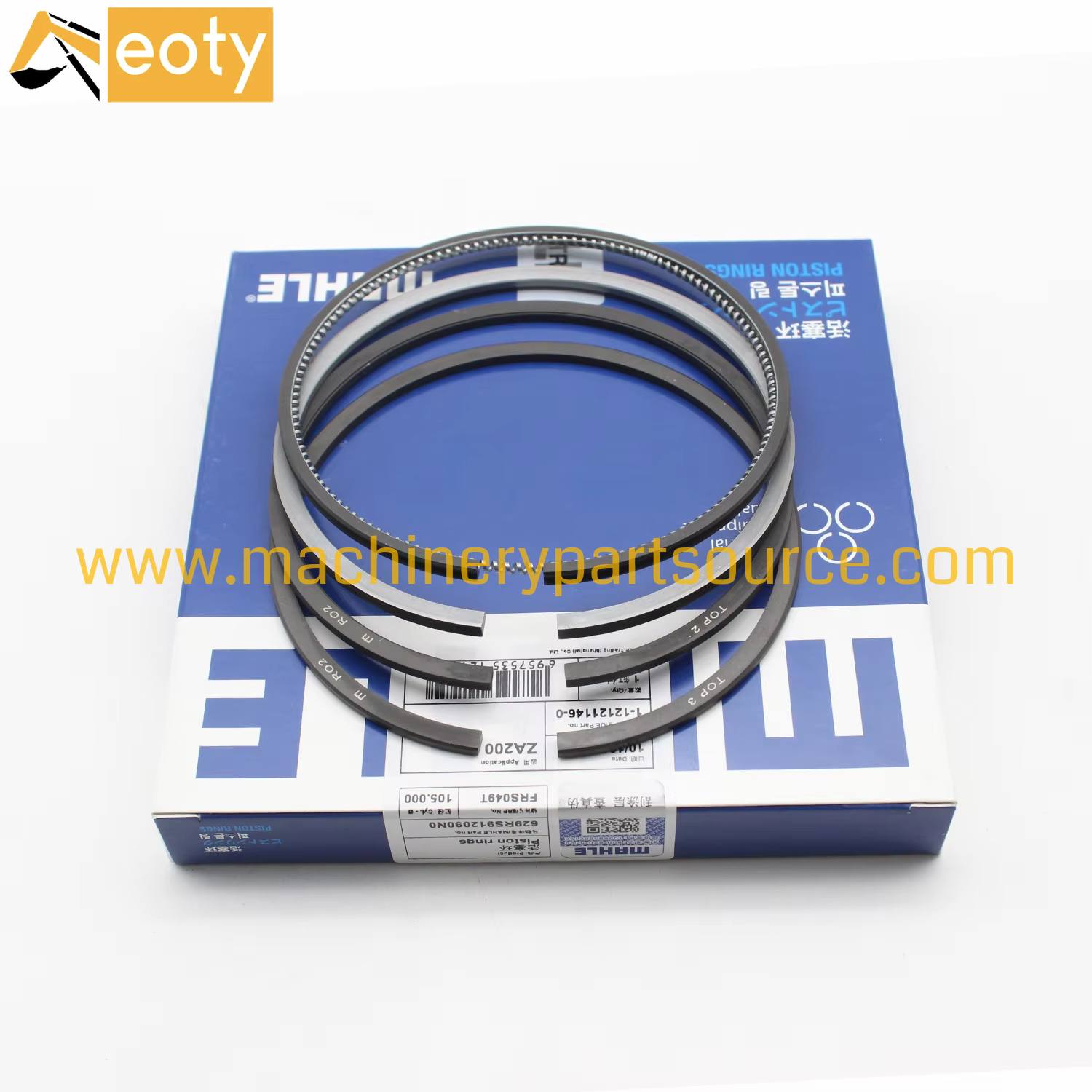
1121211460 Isuzu 6BG1 Piston Ring Set for 4BG1 6BG1-4 Zaxis200 Za200 Engine
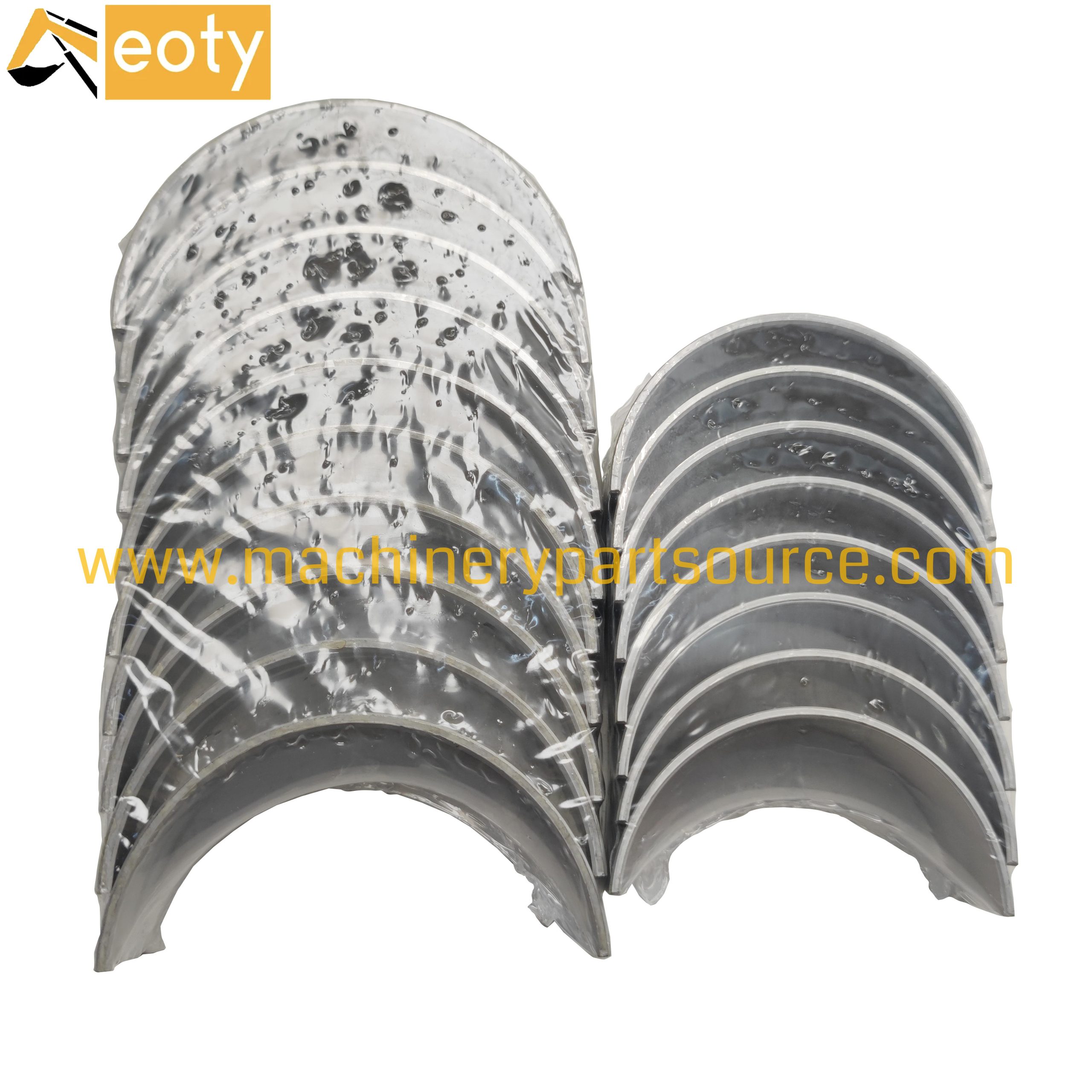
For Isuzu Excavator Diesel Engine Parts 4bd1 4bg1 Crankshaft Bearing And Connecting Rod Bearing
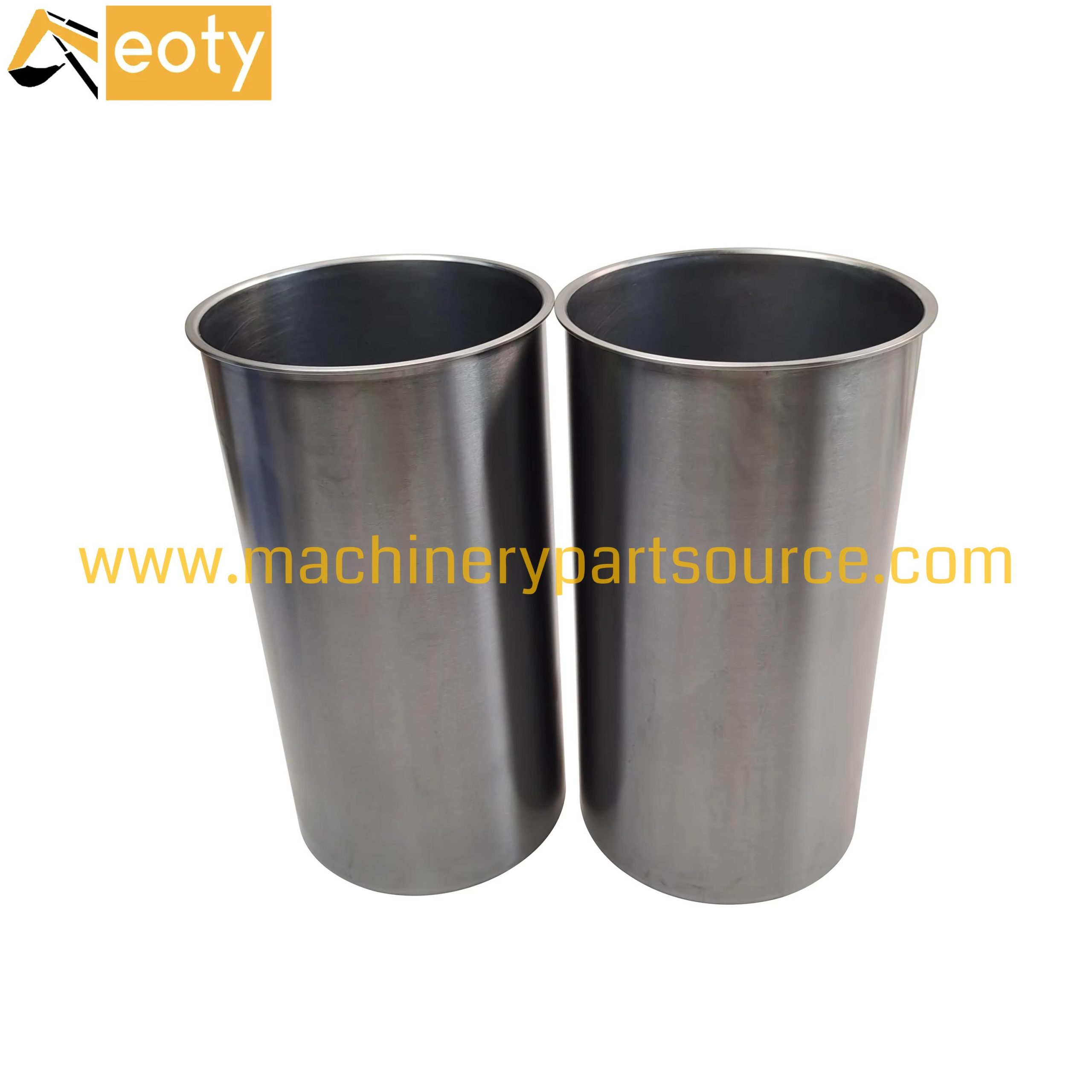
4BG1 Cylinder Liner 1-11261-119-0 Isuzu Engine Parts for Construction & Industrial Use
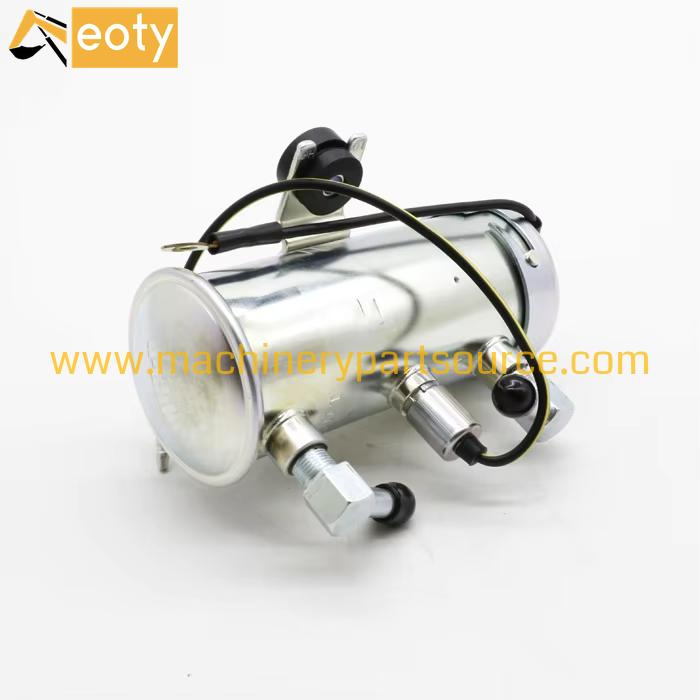
6BG1 4BG1 8-97041521-3 Pump Asm Feed Ele for Isuzu Excavator Engine
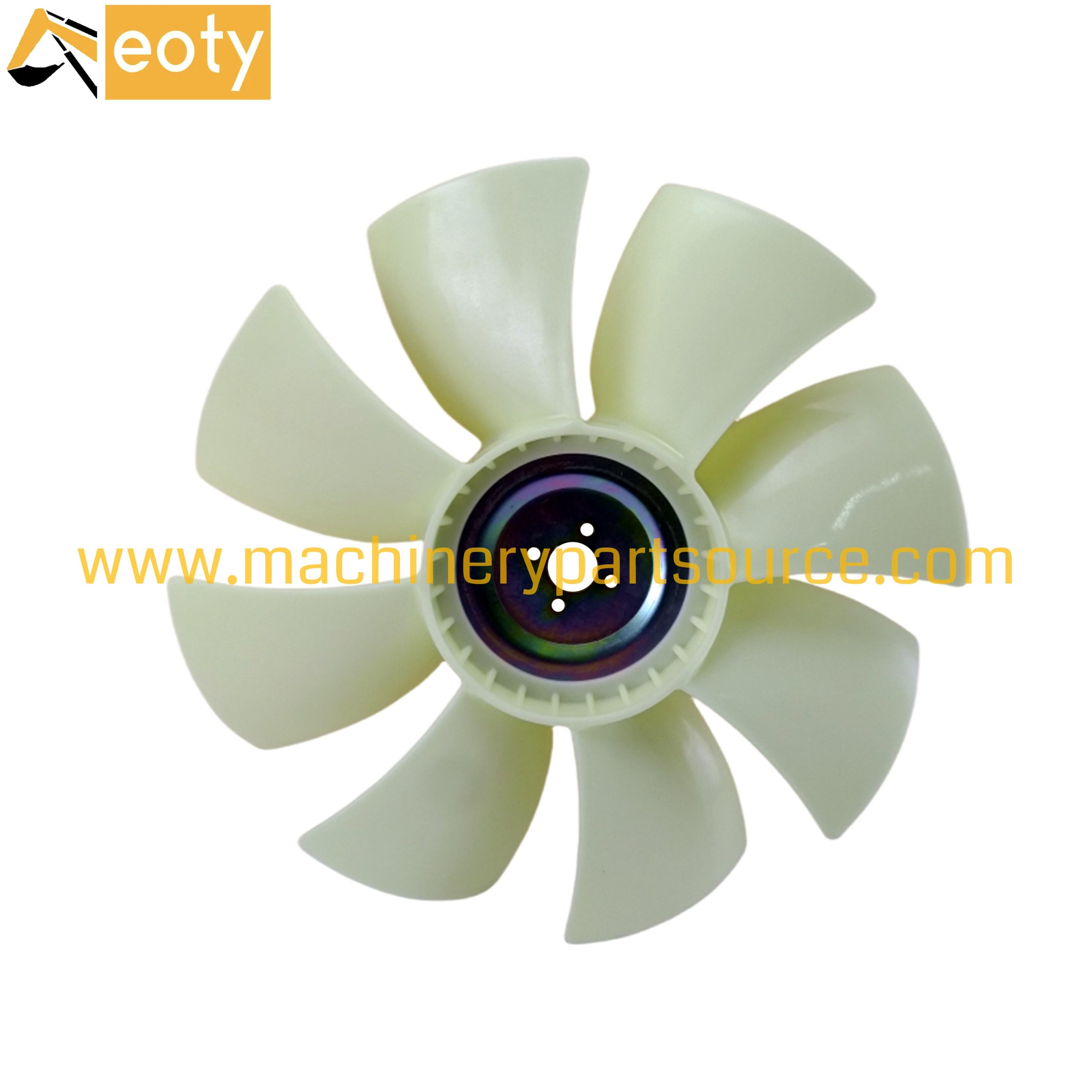
4BD1 4BG1 Fan Blade for Isuzu Engine Parts | Construction & Industrial
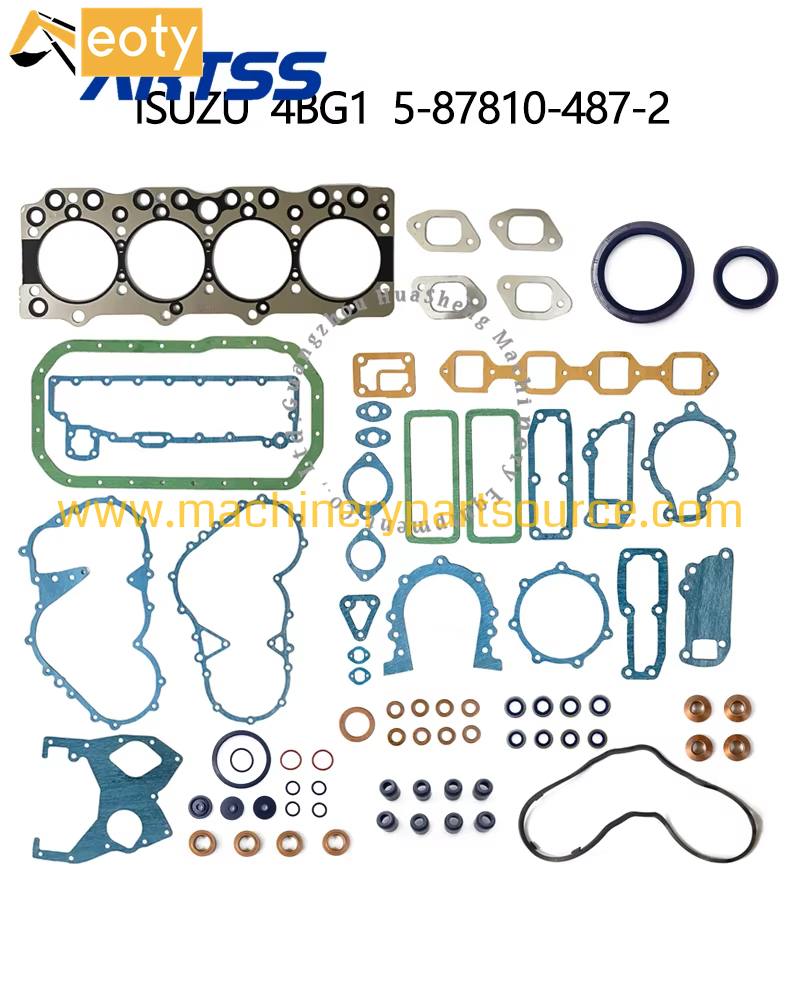
4BG1 Complete Engine Gasket Overhaul Kit for Isuzu Excavator Loader Diesel Engine Repair Gasket Set
Frequently Asked Questions About 4BG1 Parts
Can I mix OEM and aftermarket parts?
Generally, mixing OEM and aftermarket parts is not recommended unless you can verify compatibility and confirm any warranty implications. Some combinations may work, but mismatched tolerances or materials can create risk.
How do I know if an aftermarket part is equivalent?
Check the part’s dimensional specifications, material specifications, certifications, and the supplier’s reputation. Ask for test reports or cross-reference documentation against the OEM part number.
Will using aftermarket parts void my warranty?
Warranty terms vary by equipment manufacturer, dealer, and jurisdiction. Consult your dealer or warranty provider before installing aftermarket parts if warranty coverage is important to you.
Are aftermarket parts always cheaper?
Not necessarily. While many aftermarket parts have a lower initial price, a shorter service life or higher downtime cost can make them more expensive in total cost. Compare total cost of ownership.
How can I find the right part for my 4BG1 engine?
Use your engine serial number and existing part number to cross-reference. Provide both to the supplier and request confirmation that the part fits your specific 4BG1 variant.
Next Step: Request a Quote for Your Isuzu 4BG1 Parts
Send your part number, engine model, or machine model. Our team can check compatible excavator and diesel engine parts for your RFQ. Use the Request a Quote button to get started, and include any specific requirements or questions for a faster response.
Send your part number, engine model or machine model
Our team can check compatible excavator and diesel engine parts for your RFQ.