
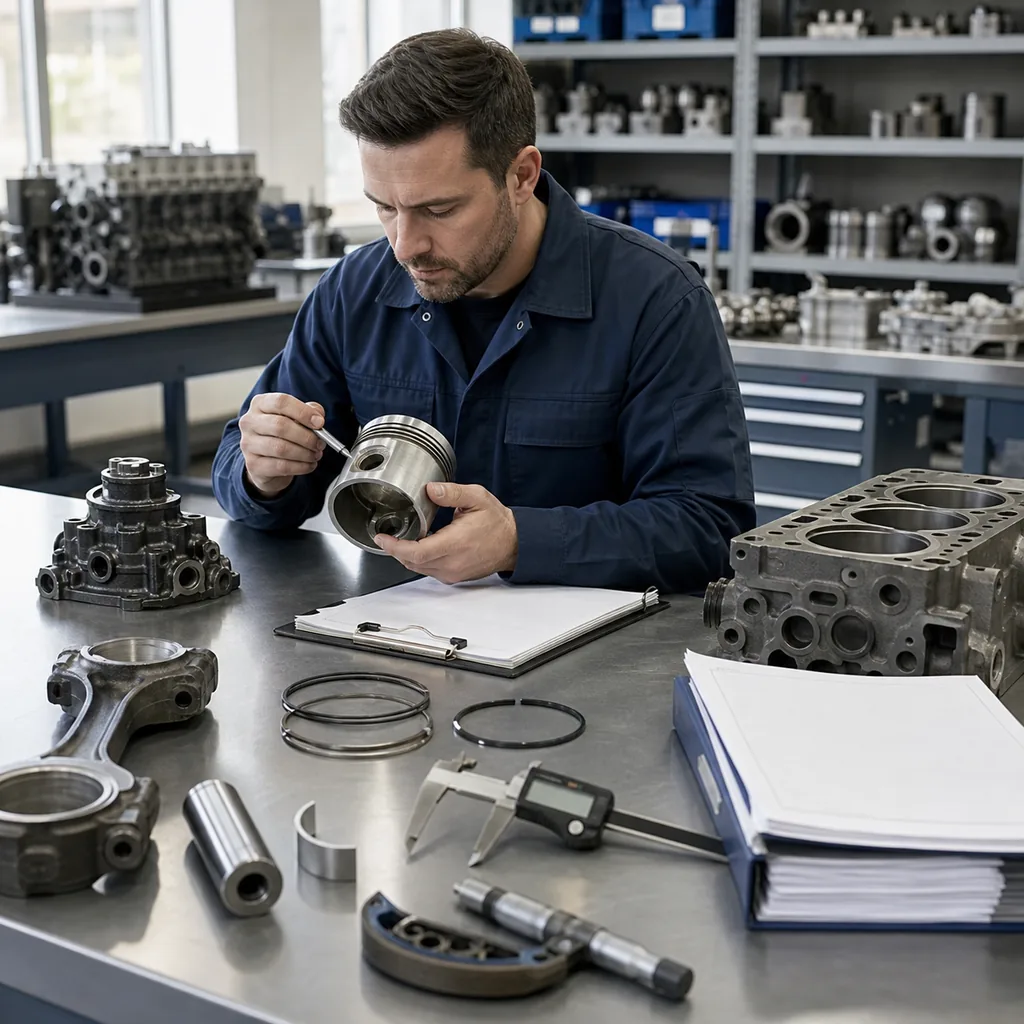
Direct Answer: To identify the correct Isuzu 6SD1 engine parts, start by locating the engine’s model plate to record the exact model and serial number. Decode the part number prefix and suffix to match your engine variant. Inspect casting marks on the existing part for numbers and date codes. Measure critical dimensions like bore, mounting patterns, and thickness, and compare visual features against verified reference photos. Finally, cross-reference your findings with official Isuzu parts diagrams or electronic parts catalogs (EPCs). This systematic approach minimizes the risk of ordering incompatible 6SD1 replacement parts and ensures reliable engine performance.
Why Correct Identification Matters for Isuzu 6SD1 Parts
Installing an incorrect part in an Isuzu 6SD1 engine can lead to immediate failure, reduced power output, oil or coolant leaks, and costly downtime. The 6SD1 is a robust inline 6-cylinder diesel engine used in a range of Isuzu commercial vehicles and industrial applications [verify specific models].
Professional buyers and maintenance teams understand that even minor differences between engine revisions can make a part incompatible. For example, the 6SD1 may have variations in piston design, pump mounting, or gasket thickness across production years. By following a structured identification process, you avoid guesswork and ensure the replacement parts match your engine exactly.
Step 1: Locate the Engine Model Plate
The engine model plate is the most reliable source of information for identifying your Isuzu 6SD1. It is typically affixed to the cylinder block, often near the fuel injection pump side, or on the rocker cover. Look for a metal plate or sticker with stamped or printed data.
- Record the engine model: It should clearly state “6SD1” or a variant like 6SD1T (turbocharged) or 6SD1TC (turbocharged and intercooled).
- Note the engine serial number: This number is crucial for pinpointing the exact production run and any part changes that may apply.
- Check the manufacturing date: Some plates include the month and year of manufacture. This helps when cross-referencing part revisions.
- Photograph the plate: A clear photo serves as a permanent reference when communicating with suppliers or comparing catalog data.
If the plate is missing or illegible, the engine serial number is often stamped directly onto a flat pad on the cylinder block, below the cylinder head gasket line, near the injection pump area.
Step 2: Decode the Isuzu 6SD1 Engine Number and Part Prefixes
Isuzu genuine parts follow a distinctive part numbering system. A typical part number is 10 or 11 digits, formatted as 1-12345-XXX-0 (format to be verified with current OEM catalogs). The prefix often corresponds to the engine family or model, while the suffix may indicate a revision or specific application.
- Engine family prefix: For 6SD1 engines, parts may begin with a prefix linked to the 6SD series.
- Revision suffix: A different suffix might denote an updated version, such as a reinforced piston or a gasket with a different coating.
- Cross-reference with diagrams: Use the Isuzu parts catalog or an online EPC to see exploded views and confirm that the part number you have corresponds to the correct location on your engine.
When you have the engine model and serial number, you can locate the exact part number for components like the 6SD1 piston, 6SD1 pump, or 6SD1 gasket from official parts manuals. Avoid relying solely on generic descriptions—always verify with the part number.
Related Parts
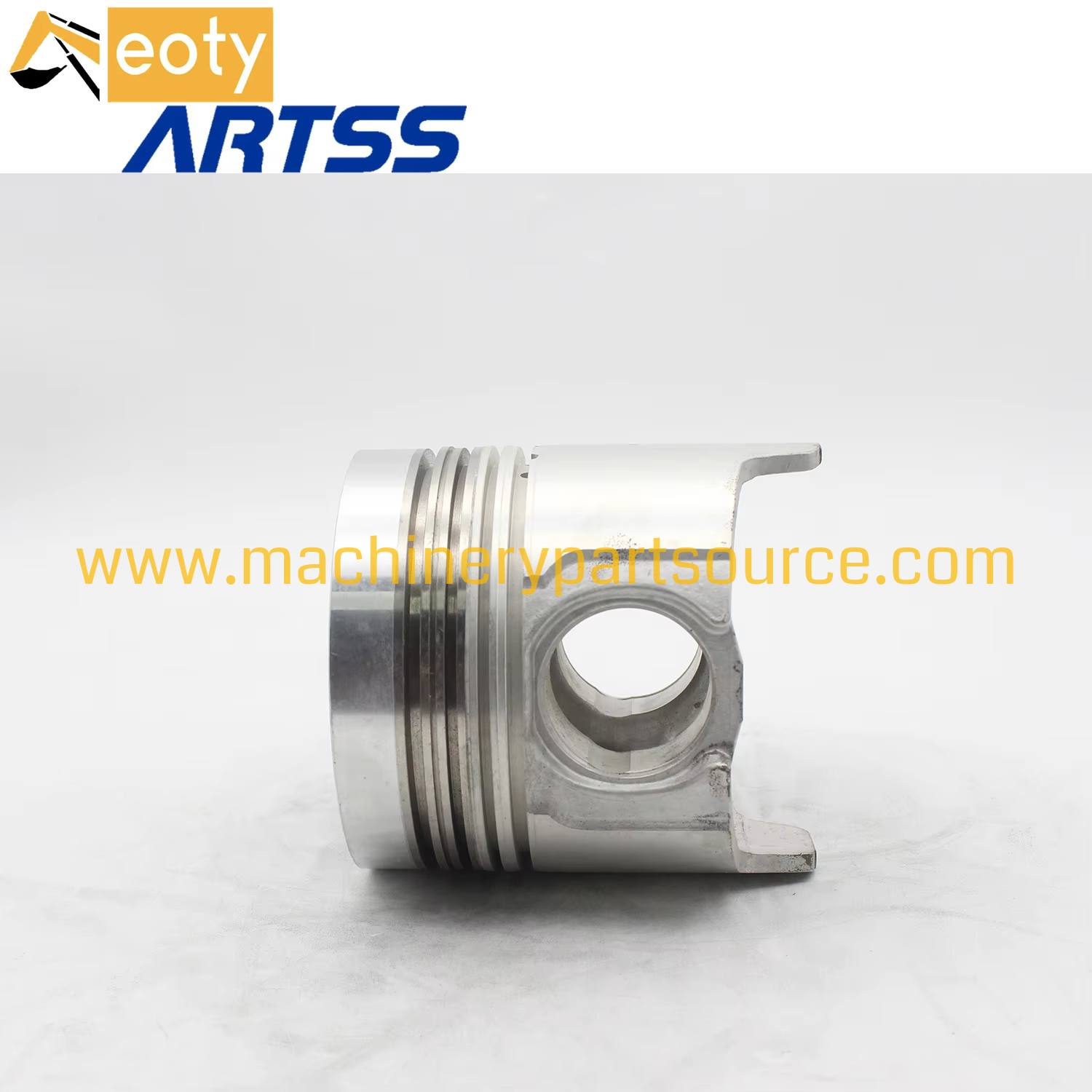
1-12111-913-0 6SD1 Piston For Isuzu Truck Engine Diesel
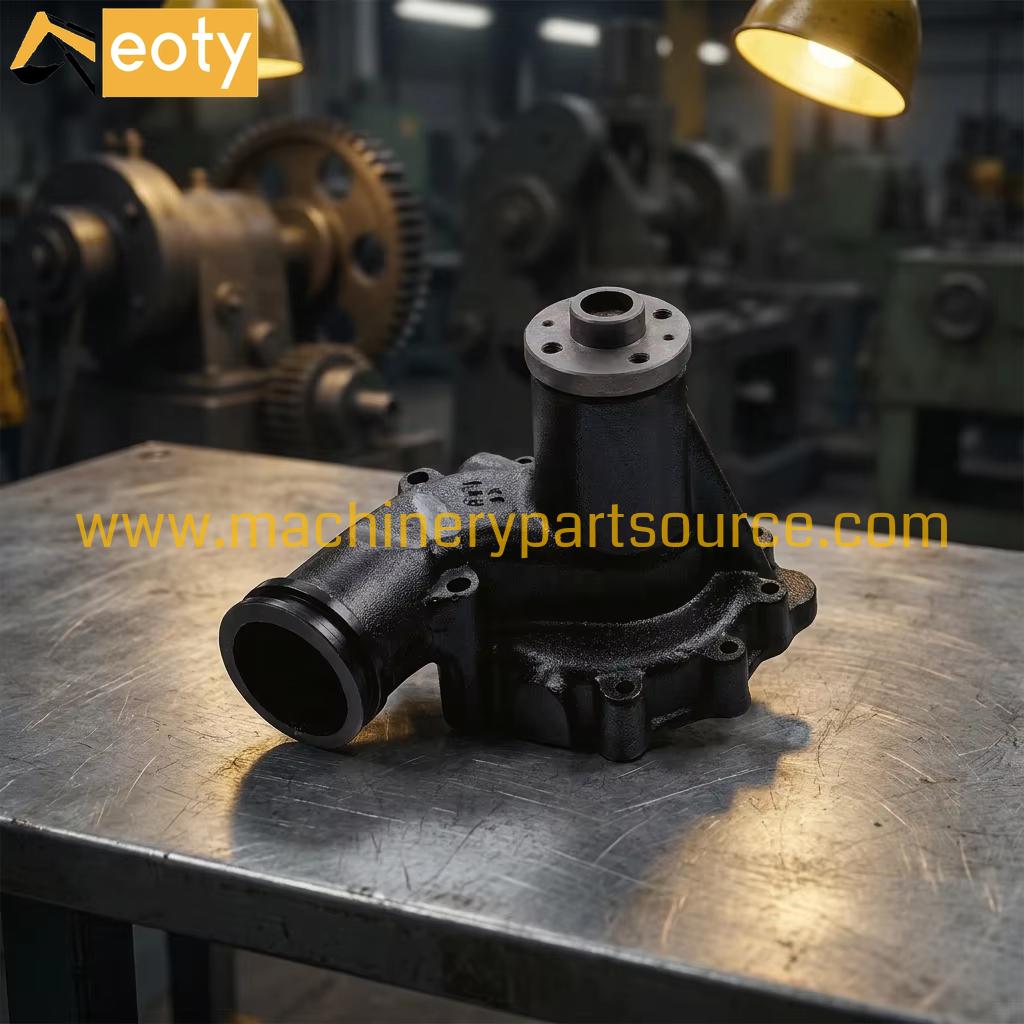
Isuzu 6SD1 6SD1T Engine Water Pump 1-13610944-0 for Hitachi EX300-5 EX350-3 Excavator
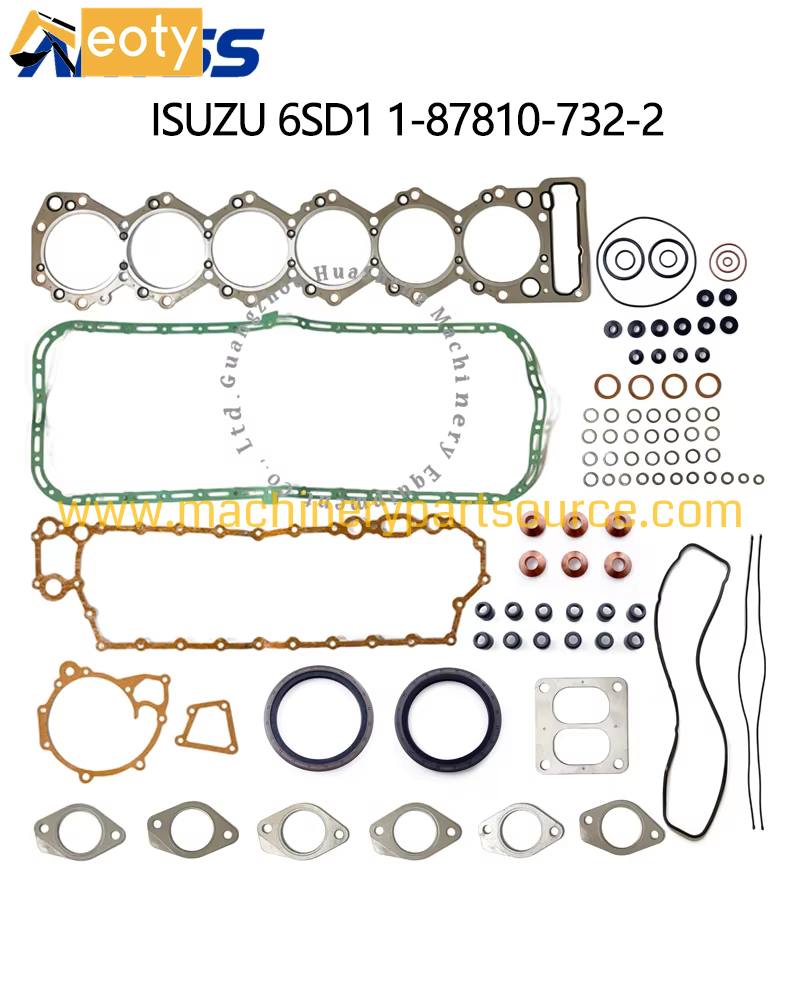
6SD1 Complete Engine Overhaul Gasket Set for Isuzu Heavy Truck Excavator Diesel Engine
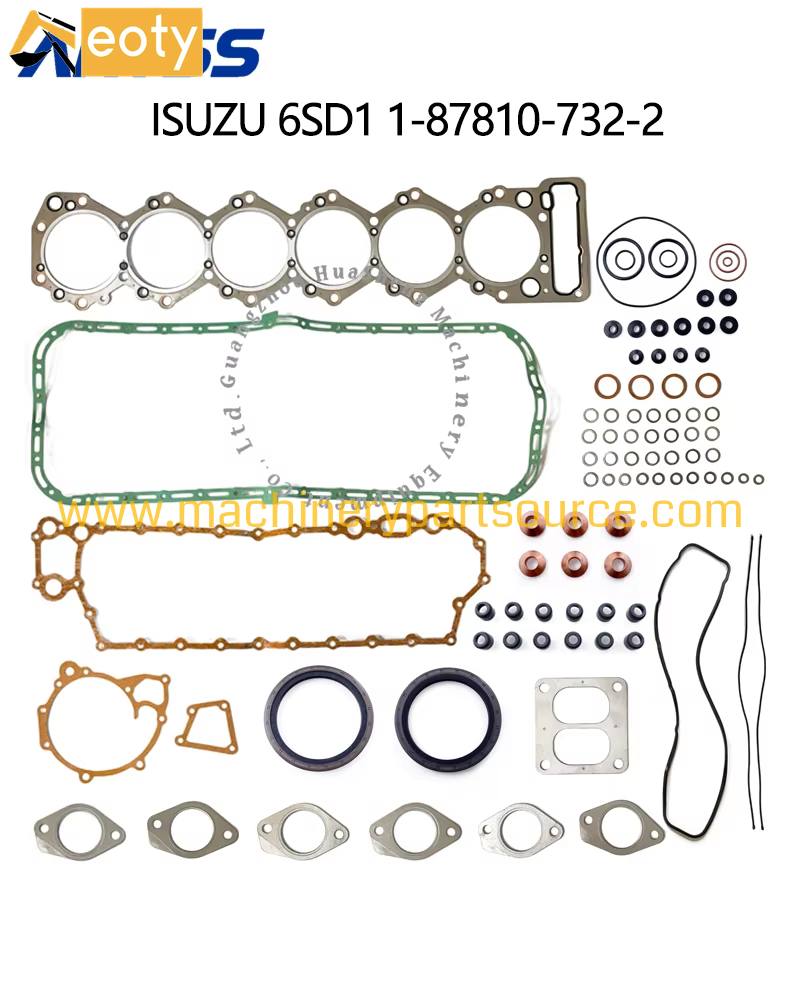
6SD1 Full Gasket Kit 1-87810-732-2 For Isuzu EX300 Excavator Engine Overhaul Gasket Set
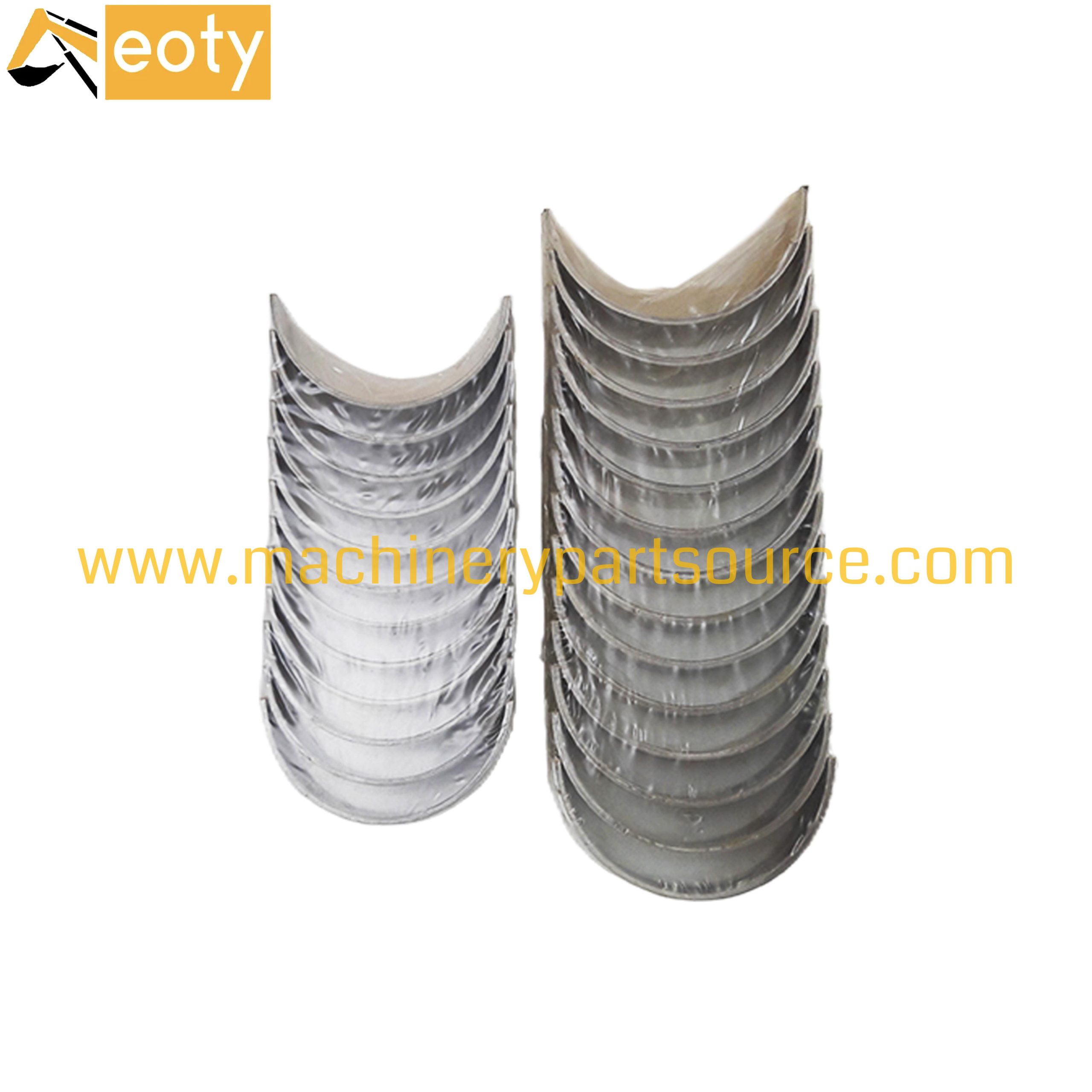
6SD1 Main Bearing and Connecting Rod Bearing STD 1-11510074-3 1-11510074-0 Isuzu Engine Parts
Step 3: Check Casting Marks on Existing Parts
Original Isuzu parts often have raised casting numbers, foundry marks, and date codes on the raw metal surface. These marks can be invaluable when the part number label has worn off.
- Location: Casting numbers are commonly found on the cylinder block, cylinder head, exhaust manifold, and other large cast components.
- Matching numbers: A casting number might be identical to the part number, or it may be a base number that corresponds to a finished part after machining. For example, a 6SD1 piston might have a casting number inside the skirt that links to a specific part number.
- Date codes: Look for a clock-like diagram or a numeric code indicating year and month of manufacture. This helps align with the engine’s production date.
- Photograph all markings: Even if ambiguous, these can be researched in parts databases or by experienced suppliers.
On components like the 6SD1 pump (fuel injection pump), there is usually a manufacturer’s plate with Bosch or Zexel part numbers in addition to Isuzu stamps. Record all numbers to ensure correct pump model and calibration.
Step 4: Measure Critical Dimensions
When part numbers are not available, taking precise measurements can rescue the identification process. Use digital calipers, micrometers, and feeler gauges for accuracy.
Essential dimensions for common parts:
| Part | Key Dimensions to Measure |
|---|---|
| 6SD1 piston | Bore diameter (nominal and oversize), compression height, pin bore diameter, ring groove widths. |
| 6SD1 gasket (head gasket) | Bore diameter, gasket thickness (compressed), bolt hole count and spacing, any special sealing bead pattern. |
| 6SD1 pump (injection pump) | Mounting flange bolt pattern (PCD), drive shaft diameter and length, fuel line fitting sizes. |
| Cylinder head | Bolt pattern, valve sizes, port shapes, overall length and width. |
Always compare your measurements against manufacturer specifications. Factory service manuals for the Isuzu 6SD1 will list standard dimensions and allowable wear limits. Note that aftermarket parts must match these critical measurements exactly.
Step 5: Compare Visual Features Using Parts Photos
A side-by-side visual comparison with a known genuine part or a high-resolution photo from a reliable catalog can quickly reveal mismatches.
- Bolt holes and mounting points: Count the number and check the pattern. An extra bolt hole or a slightly different angle can mean the part is for a different engine variant.
- Contour and casting shape: Some parts have ribs, brackets, or reinforcing webs that changed between production years.
- Surface finish: Machined surfaces, gasket sealing areas, and coating colors may vary. For instance, a 6SD1 gasket might have a specific color coating for identification.
- Use a template: If you have the old part, physically match it against a potential replacement. Even small differences can indicate a wrong part.
Many suppliers and EPCs provide detailed photos with part numbers overlaid. Use these as a first check before ordering Isuzu 6SD1 replacement parts.
Step 6: Consult Isuzu Parts Diagrams and Cross-Reference Databases
Official Isuzu parts manuals and electronic parts catalogs (EPCs) are the gold standard for confirmation. These diagrams show every component in exploded view, with part numbers and quantities.
- Accessing EPCs: Some online platforms offer subscription-based or free access to Isuzu parts look-up for older engines. Input your engine model and serial number to retrieve the factory part numbers.
- Cross-reference tools: Aftermarket parts often carry an OEM cross-reference number. Check these against the Isuzu number to ensure equivalence. Be cautious—some cross-reference lists may not account for supersessions.
- Supersessions: Isuzu may have upgraded a part, giving it a new number. Your catalog should show “replaced by” or “interchanges with” information. Using a superseded part may still work, but always verify with a technical bulletin.
Part numbers for 6SD1 engine parts like the 6SD1 pump or 6SD1 piston can have multiple valid numbers over the years. Always order by the latest active number unless matching a specific older revision is critical for your rebuild.
Common Pitfalls When Identifying 6SD1 Engine Parts
- Assuming all 6SD1 parts are the same: Engine block revisions, changed cylinder head designs, and updated fuel systems mean interchangeability is not guaranteed. Always check the engine serial number range.
- Mistaking 6SD1, 6SD1T, and 6SD1TC: Turbocharged and intercooled versions often have different pistons, gaskets, and pump settings. A non-turbo piston installed in a turbo engine will fail quickly.
- Ignoring production splits: Some parts changed mid-production. The serial number is your key to identifying which version your engine has.
- Relying only on visual shape: Two oil filters may look identical externally but have different internal bypass valve pressures. Always verify with the part number.
- Using worn parts as templates: A damaged piston may have deformed dimensions; measure a healthy one or consult specs.
Frequently Asked Questions About Isuzu 6SD1 Parts Identification
- Where is the engine serial number on an Isuzu 6SD1?
The serial number is stamped on a flat pad on the cylinder block, typically below the cylinder head near the fuel injection pump side. It may also be on a plate on the rocker cover. - Can I use a part from a different Isuzu engine?
Possibly, but it’s risky. Dimensions like bore, stroke, and mounting interfaces can differ. Unless a cross-reference explicitly confirms fitment, do not substitute. - What if the original part number is illegible?
Use casting numbers, measure critical dimensions, and consult an Isuzu specialist or a supplier with access to factory data. The engine model and serial number are essential in this case. - How do I know if a part is superseded?
Check the official Isuzu parts catalog or a reputable cross-reference database. Look for notes like “(superseded by 1-xxxxx-xxx-x)”; using the newer part is usually acceptable, but confirm with a technical expert.
Next Steps: Sourcing the Correct 6SD1 Parts
Once you’ve gathered the part numbers and confirmed their compatibility, you are ready to source the parts. Provide the engine serial number, part numbers, and any photos to your supplier to double-check compatibility. This extra step can prevent expensive mistakes.
Our team can assist you in cross-referencing your identification against our extensive catalog of genuine and quality Isuzu 6SD1 replacement parts. When you’re ready to inquire, include all the information you’ve collected.
Send your part number, engine model or machine model
Our team can check compatible excavator and diesel engine parts for your RFQ.