
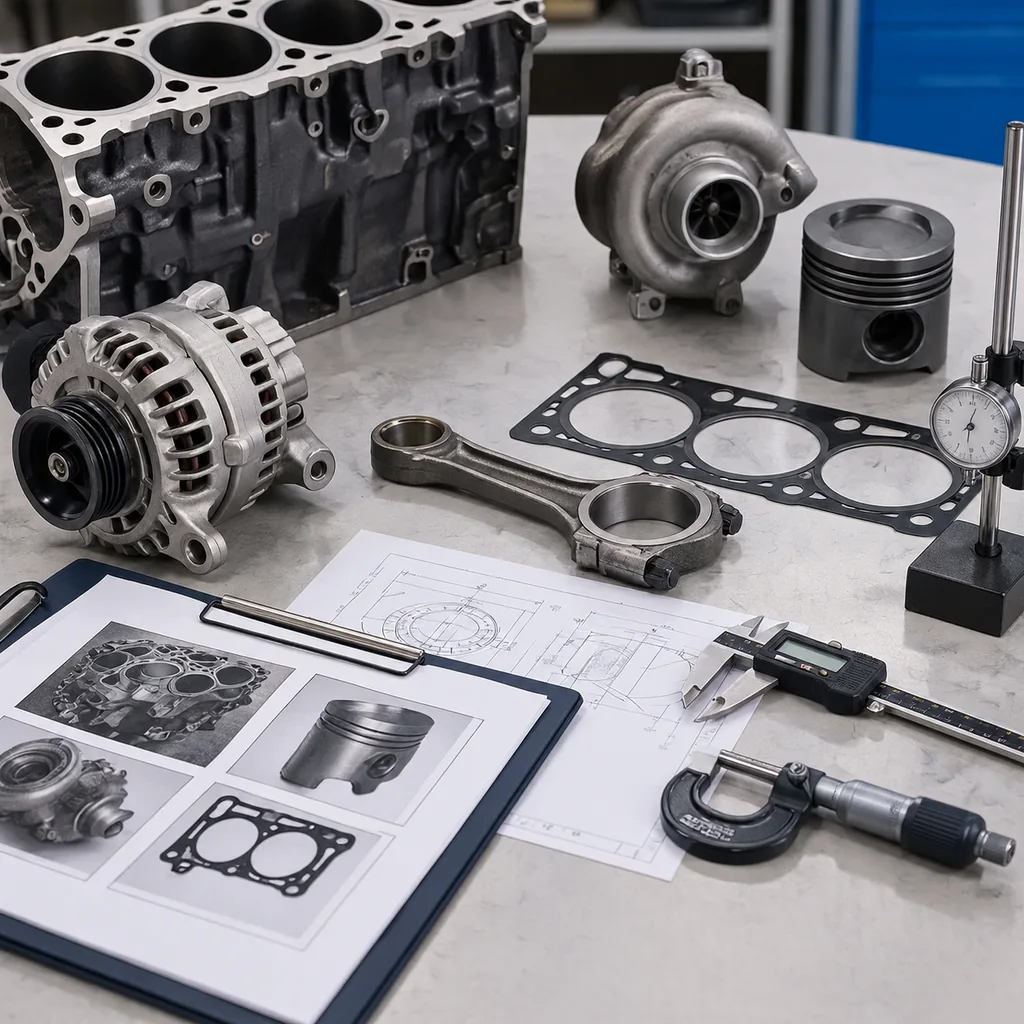
Identifying the correct Hino P11C engine parts starts with the engine itself, not the machine badge. Before you order a valve, piston, pump, or any other P11C replacement part, collect three kinds of evidence: the engine model and serial number from the Hino P11C identification plate, the service part number or casting mark from the old component, and clear photos with key dimensions. This article explains what to record, what each marking means, and how to submit a complete identification packet so a supplier can confirm the right P11C engine part before you buy.
How to Identify Hino P11C Engine Parts: Start With Engine Identification
The first step is to identify the engine itself, not just the excavator or truck model it is installed in. Hino P11C engines can be configured differently depending on application, emissions market, and production range. A machine model alone may not tell you which P11C valve, piston, or pump is correct.
- Begin with the engine model plate and serial number whenever accessible. The P11C engine identification determines which parts catalog section applies to your engine.
- Record the full engine model, serial number, and any visible build or option codes instead of relying on memory or a handwritten note from a previous repair.
- Use the engine ID to narrow the correct parts catalog section before checking individual components. This reduces the chance of ordering a look-alike part for a different P11C variant.
- If the engine plate is missing or unreadable, treat the identification as incomplete. Gather photos, legacy part numbers from old components, and machine application data for supplier verification.
- Plate locations and code meanings can vary by application. Always confirm against the machine or engine documentation, or ask a qualified supplier to verify the interpretation.
Read the Hino P11C Model Plate and Engine Serial Number
Engine identification plates carry the most useful data for Hino P11C replacement parts. A clear plate photo and exact transcription reduce back-and-forth when you request a quote.
- Photograph the plate clearly, including the surrounding area so the engine context and bracket or rivet type are visible.
- Transcribe the engine model, serial number, and any market or emissions markings exactly as stamped. Do not shorten or omit leading or trailing characters.
- Do not guess missing characters. If a number is partially obscured, take multiple photos at different angles and clean only with safe methods recommended for that surface.
- Keep engine identification data separate from machine identification data. The machine serial number or model does not replace the engine plate information for P11C part matching.
- Verify any model code interpretation against official Hino documentation or a qualified supplier. Third-party decoding may not account for build-specific differences.
A clear engine serial number is often more useful than a machine model when ordering Hino P11C replacement parts.
Match Part Numbers, Supersessions, and Casting Marks
Existing numbers on the old component are strong evidence, but not every mark is an orderable service number. Knowing the difference helps you send the right information.
- Look for a service part number on the old component, packaging, or repair invoice if available. This is the preferred identifier.
- Casting numbers and manufacturer marks can help confirm the part family, but they may not be the same as the orderable service number.
- Record any supersession or replacement number visible in documentation and ask the supplier to verify the current number before ordering.
- Photograph all stamped, etched, or cast markings before cleaning or installation. Cleaning can remove paint or make marks harder to read.
- Do not assume a number from one P11C application automatically fits another. Serial number breaks and build specifications can change the correct replacement.
| Marking type | What it can tell you | What it cannot do alone |
|---|---|---|
| Service part number | Directly identifies the orderable replacement in many cases | Still requires application and serial verification if supersessions exist |
| Casting number | Confirms the part family or foundry pattern | Cannot be used as a final orderable number without supplier confirmation |
| Manufacturer logo or date code | Helps confirm original equipment and production period | Does not define the correct service replacement |
| Supersession number | Indicates a previous or updated part number | Must be checked against current parts data for the specific engine |
Measure Critical Dimensions for P11C Replacement Parts
When part numbers are missing or unclear, dimensions can serve as supporting evidence. They are most useful when combined with photos and engine identification data.
- Use calibrated measuring tools and record dimensions in the same units as the reference specification. Mixed units create errors.
- Measure only accessible, relevant features such as overall size, mounting pattern, port layout, and visible wear surfaces. Do not disassemble components beyond safe access.
- Compare measurements against official specifications or supplier-verified data, not against a photo alone. A photo can hide scale differences.
- For valves, pistons, and pumps, dimensions help confirm identity but do not replace the correct part number.
- Flag any dimension that does not match the reference for human review before ordering. A small mismatch may indicate the wrong part or a superseded design.
| Component | Dimensions often useful to record | Notes |
|---|---|---|
| P11C valve | Overall length, stem diameter, head diameter, keeper groove style | Record only if the part is removed and safe to measure |
| P11C piston | Pin bore diameter if accessible, crown diameter, compression height, ring groove width | Many dimensions require disassembly; capture what is safely visible |
| P11C pump | Mounting flange pattern, shaft or drive type, port sizes and locations, connector type | Nameplate data is more reliable than external dimensions alone |
These measurement categories are examples, not a complete inspection list. Always follow the workshop manual for safe access and measurement procedures.
Use Photos and Markings to Confirm P11C Valve, Piston, and Pump Parts
Clear photos help a supplier confirm that the part you are looking at matches the description in the catalog. Different P11C replacement parts need different visual evidence.
- For P11C valves, photograph the head, stem, keeper groove area, and any visible part number or logo. Include both the top and side views.
- For P11C pistons, photograph the crown, skirt, pin bore, ring grooves, and any casting or batch marks. Note the orientation of any oil hole or valve pocket if present.
- For P11C pumps, photograph the mounting flange, drive coupling, port locations, connector type, and nameplate data. Do not crop the nameplate or serial area.
- Include a scale reference in photos where helpful, but never use a photo as the only identification method.
- Send original photos rather than heavily edited images so markings and surface details remain visible.
Related Parts
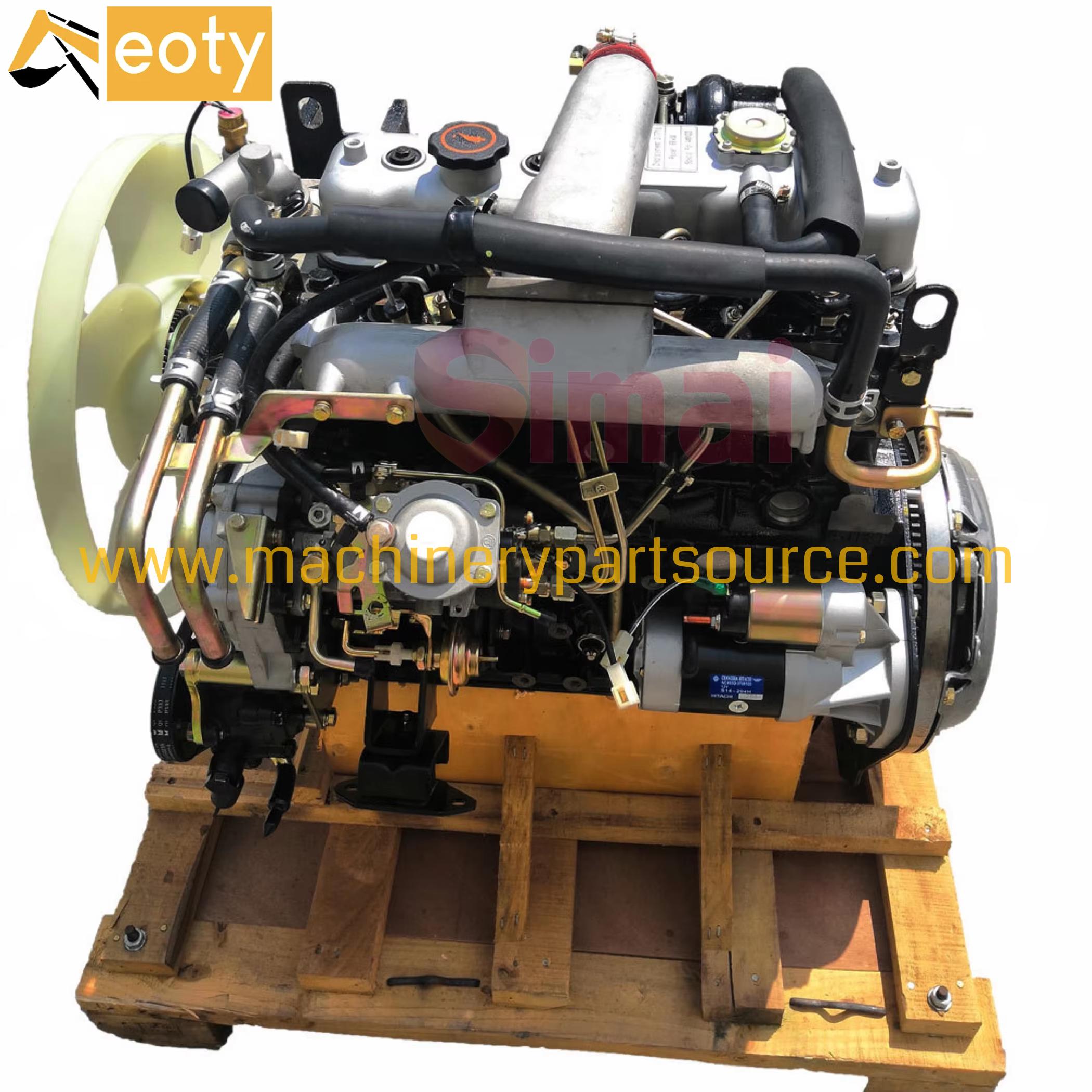
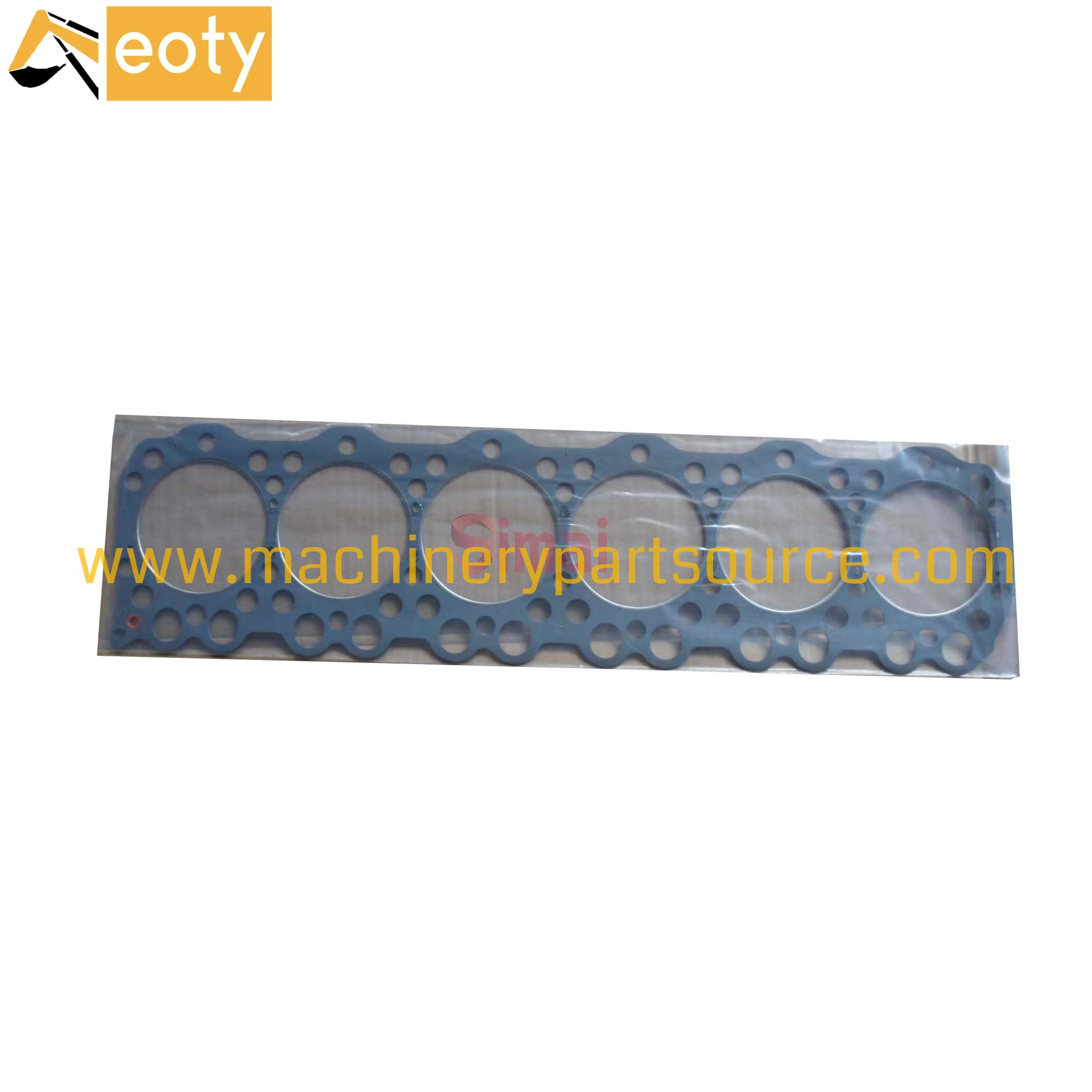
11115-2741 11115-2810 Cylinder Head Gasket Kit P11C For Hino Engine Excavator
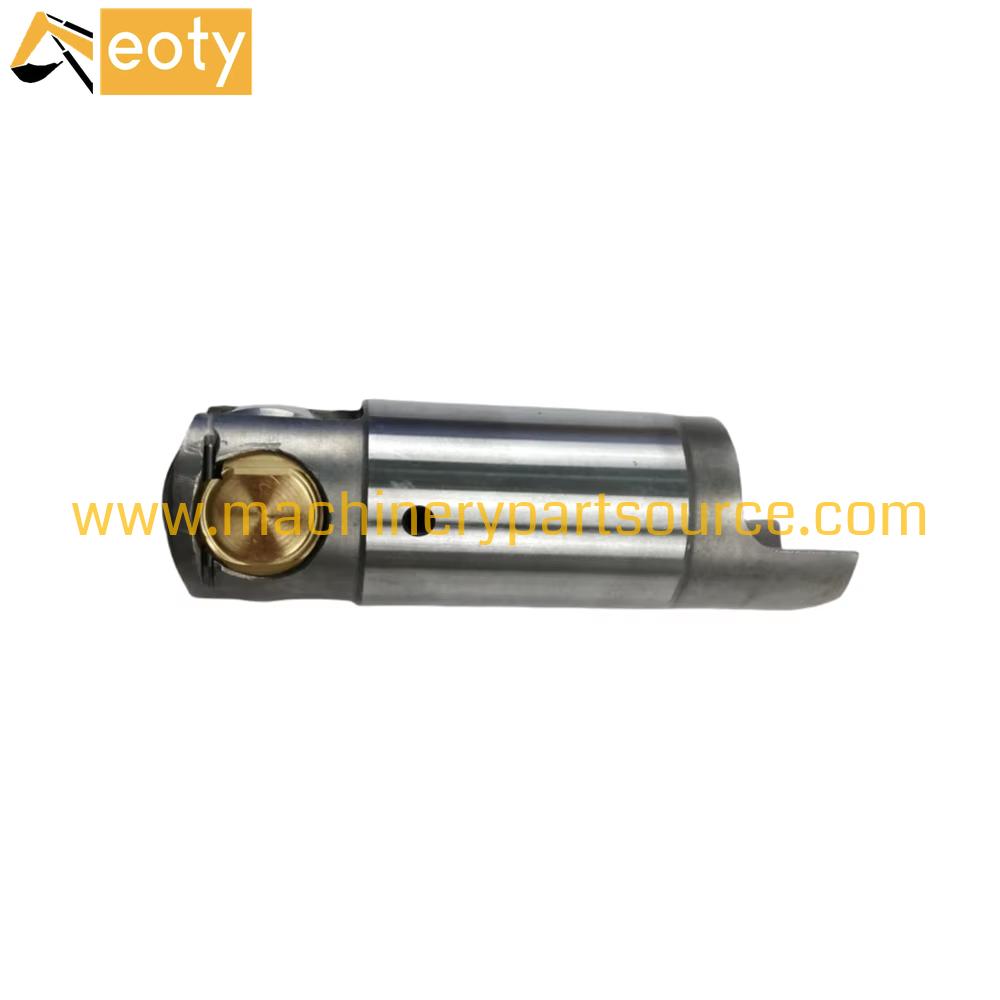
Hino P11C Valve Lifter – OEM 8-98023-526-0 Compatible Engine Parts
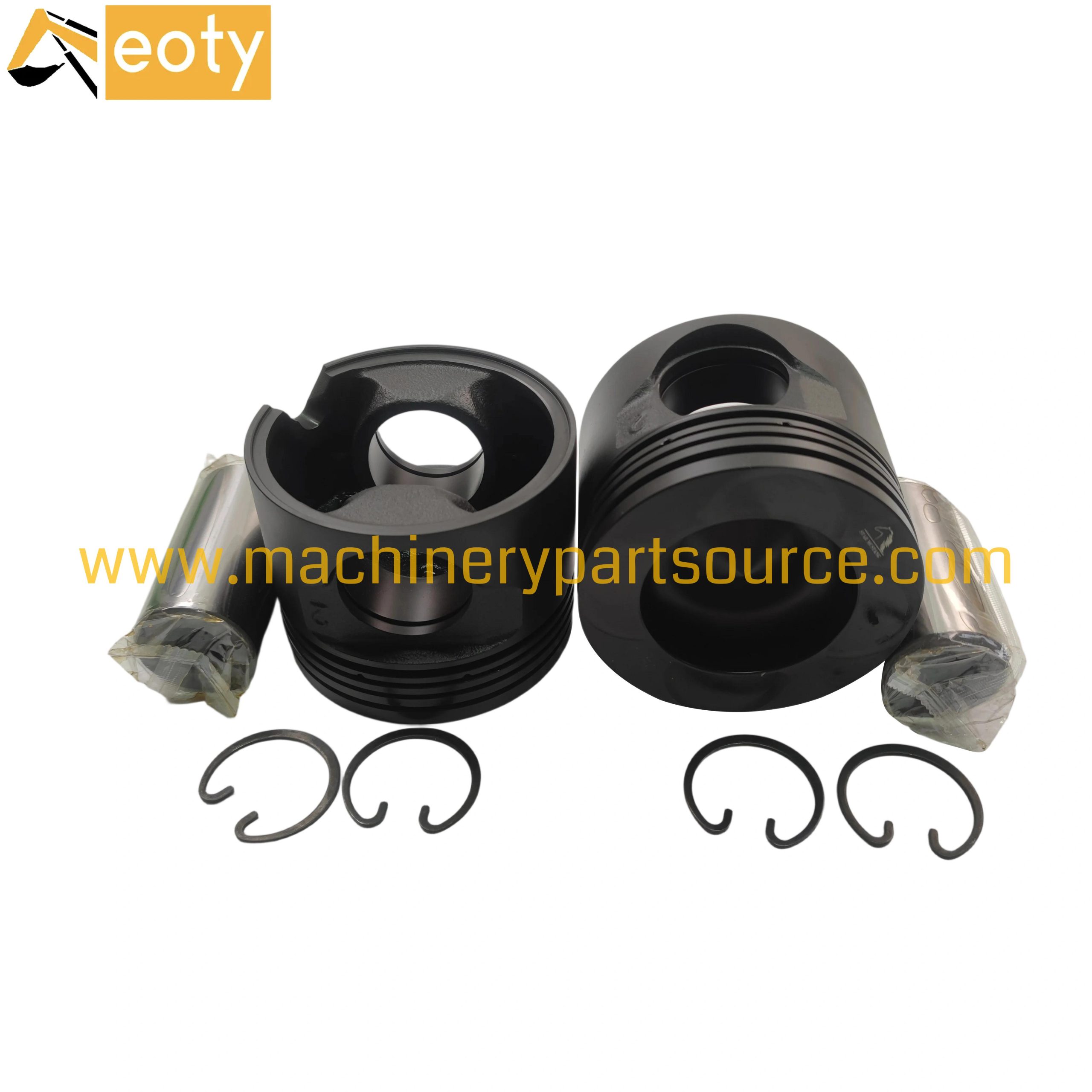
Deutz P11C Piston 2723-0230 – 130mm Heavy-Duty Engine Component
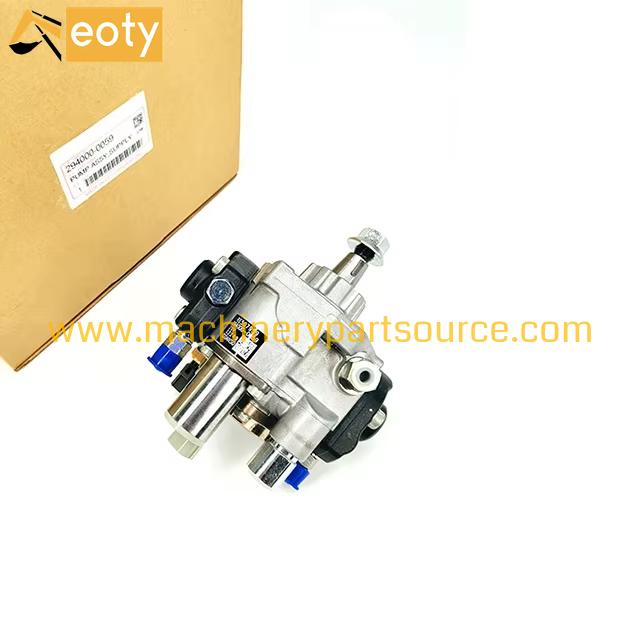
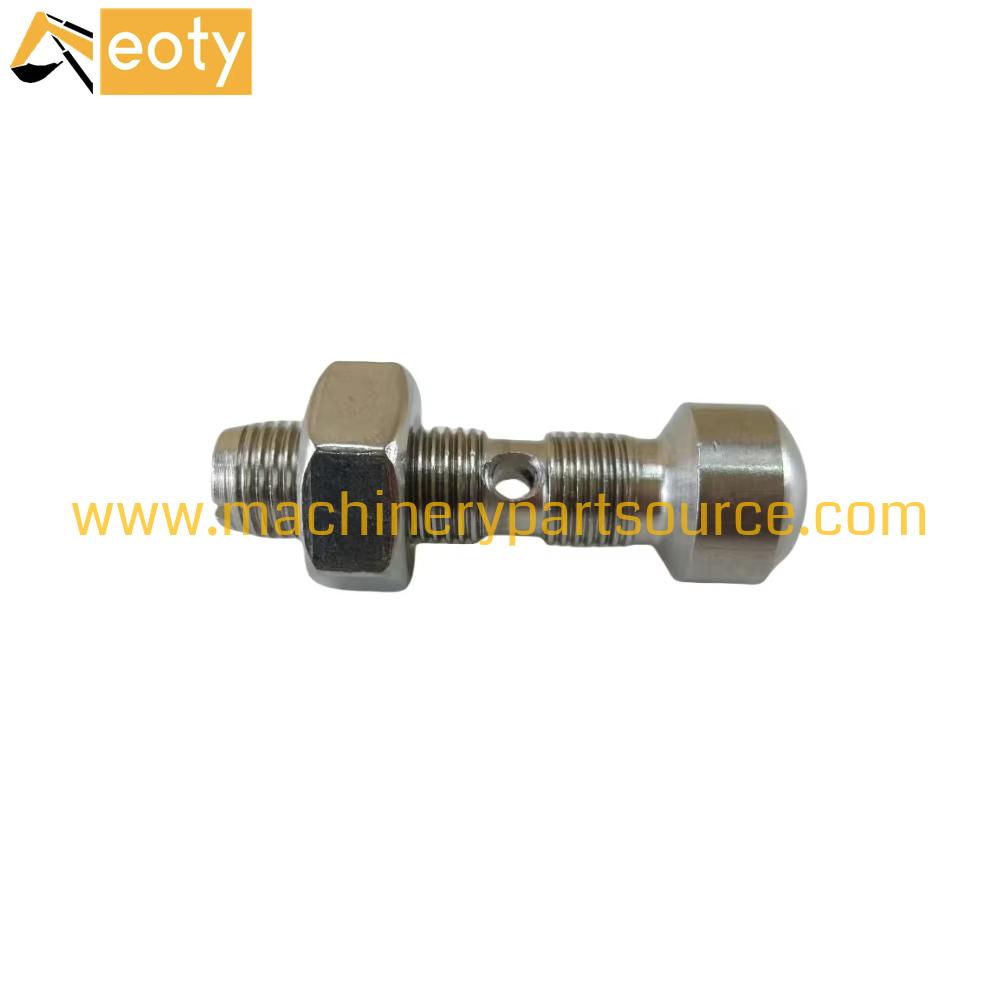
HINO P11C Engine Valve Adjusting Bolt | OEM 8-98023-526-0 | Heavy-Duty Diesel Parts
Hino P11C Parts Identification Checklist
Complete this checklist before contacting a supplier. Each item supports the others and reduces the chance of ordering the wrong Hino P11C replacement part.
- Step 1: Record the full engine model and serial number from the engine plate.
- Step 2: Record the machine make, model, and application if known.
- Step 3: Photograph the engine plate and the old part from multiple angles.
- Step 4: Capture any part number, casting mark, supersession, or nameplate data.
- Step 5: Measure key dimensions and note the measurement method and units.
- Step 6: List the quantity, position, and any related parts needed.
- Step 7: Submit the complete identification packet for verification before purchase.
Completing every step gives your supplier enough information to check compatibility instead of guessing from a photo or a partial number.
Common Identification Mistakes to Avoid
- Using only the machine model and ignoring the engine model plate or serial number.
- Assuming every Hino P11C engine uses the same valves, pistons, or pumps across applications.
- Treating a casting number as the final orderable part number without verification.
- Missing a serial number break or supersession that changes the correct replacement.
- Buying from a photo alone without confirming dimensions, markings, and application data.
Avoiding these mistakes saves time and prevents installation of an incompatible P11C part.
When to Request a Quote for Hino P11C Replacement Parts
After you have collected the identification data, you are ready to request a quote. The more complete your packet, the faster a supplier can verify the correct Hino P11C replacement part.
- Send the engine model, serial number, old part number if visible, clear photos, dimensions, quantity, and machine model.
- Include any supersession or casting information you found, even if you are unsure what it means.
- Ask the supplier to confirm compatibility against your identification data before you order.
- Use the quote request to verify availability and correct part number rather than guessing from a catalog title.
Send your part number, engine model or machine model
Our team can check compatible excavator and diesel engine parts for your RFQ.
FAQ About Hino P11C Engine Parts Identification
Where is the Hino P11C engine number located?
Location varies by application. Check the engine plate, machine documentation, or workshop manual. Do not assume a universal position for every P11C installation.
Can I identify a P11C part by casting number alone?
Not reliably. Casting marks should be confirmed against the service part number before ordering.
Are P11C valves, pistons, and pumps the same in every application?
Do not assume they are the same. Serial number, build specification, and application can affect the correct replacement part.
What information do I need for a quote?
Engine model, serial number, part number or markings, photos, dimensions, quantity, and machine model.
Can you confirm compatibility from photos?
A supplier can review photos, but final confirmation should be based on verified identification data, not images alone.