
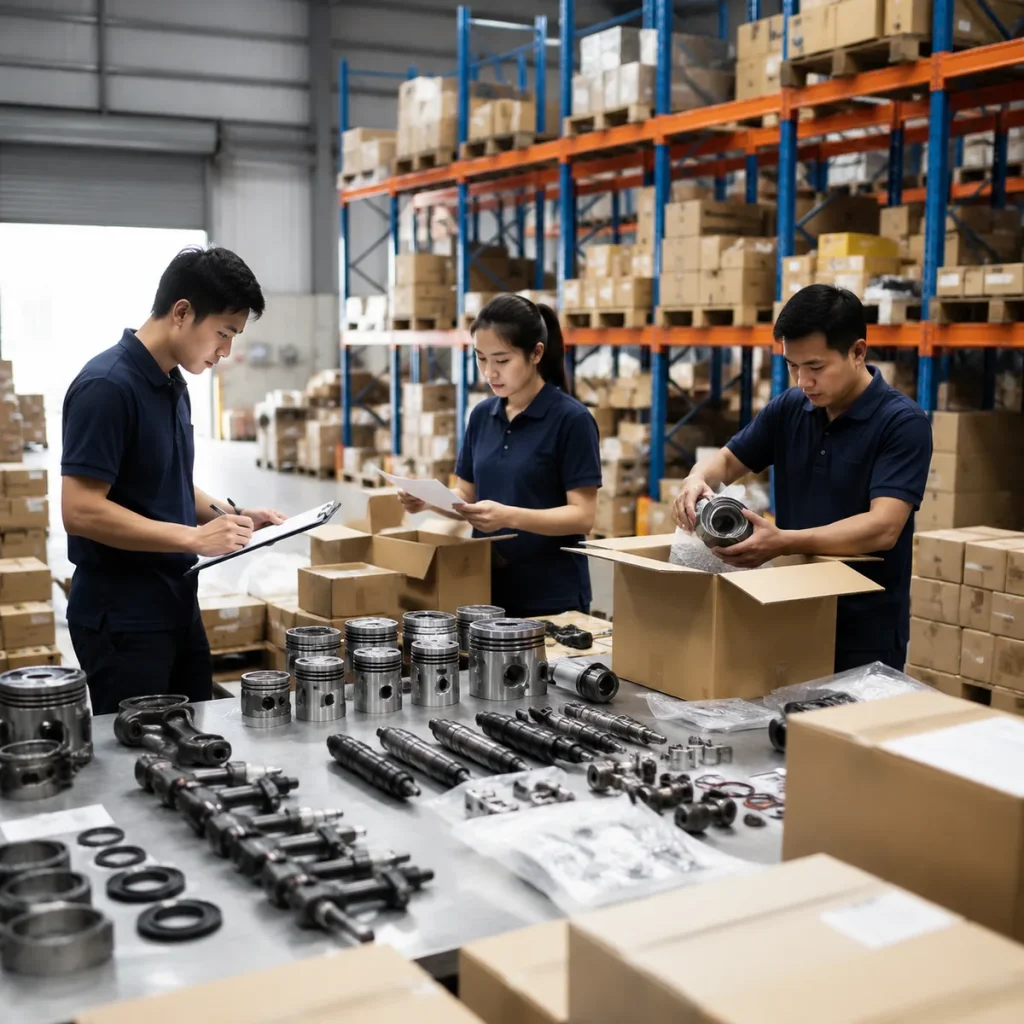
Preparing a request for quote (RFQ) for Isuzu 6HH1 engine parts requires gathering precise engine identifiers, deciding on part quality grades, and structuring the RFQ to receive comparable offers. This guide walks you through each step—from collecting engine data and selecting the right parts to asking suppliers critical questions and avoiding common procurement mistakes. By following these practices, you streamline sourcing, reduce back-and-forth, and increase the likelihood of getting the right parts on time and within budget.
Understanding the Isuzu 6HH1 Engine and Common Replacement Parts
The Isuzu 6HH1 is a robust 6-cylinder diesel engine widely employed in heavy machinery, commercial trucks, and industrial applications. Due to its longevity, replacement parts are frequently needed for overhauls and routine maintenance. Procuring components such as 6HH1 injectors, nozzles, pistons, rings, gaskets, and filters requires precise identification of the engine variant—for instance, the 6HH1 naturally aspirated model versus the 6HH1-TC turbocharged version—as compatibility can differ significantly.
Before drafting your RFQ, confirm the exact engine model, serial number, and any existing part numbers you are replacing. A common pitfall is assuming all 6HH1 parts are interchangeable; small differences in emissions standards or regional configurations can lead to incorrect fitment.
Related Parts
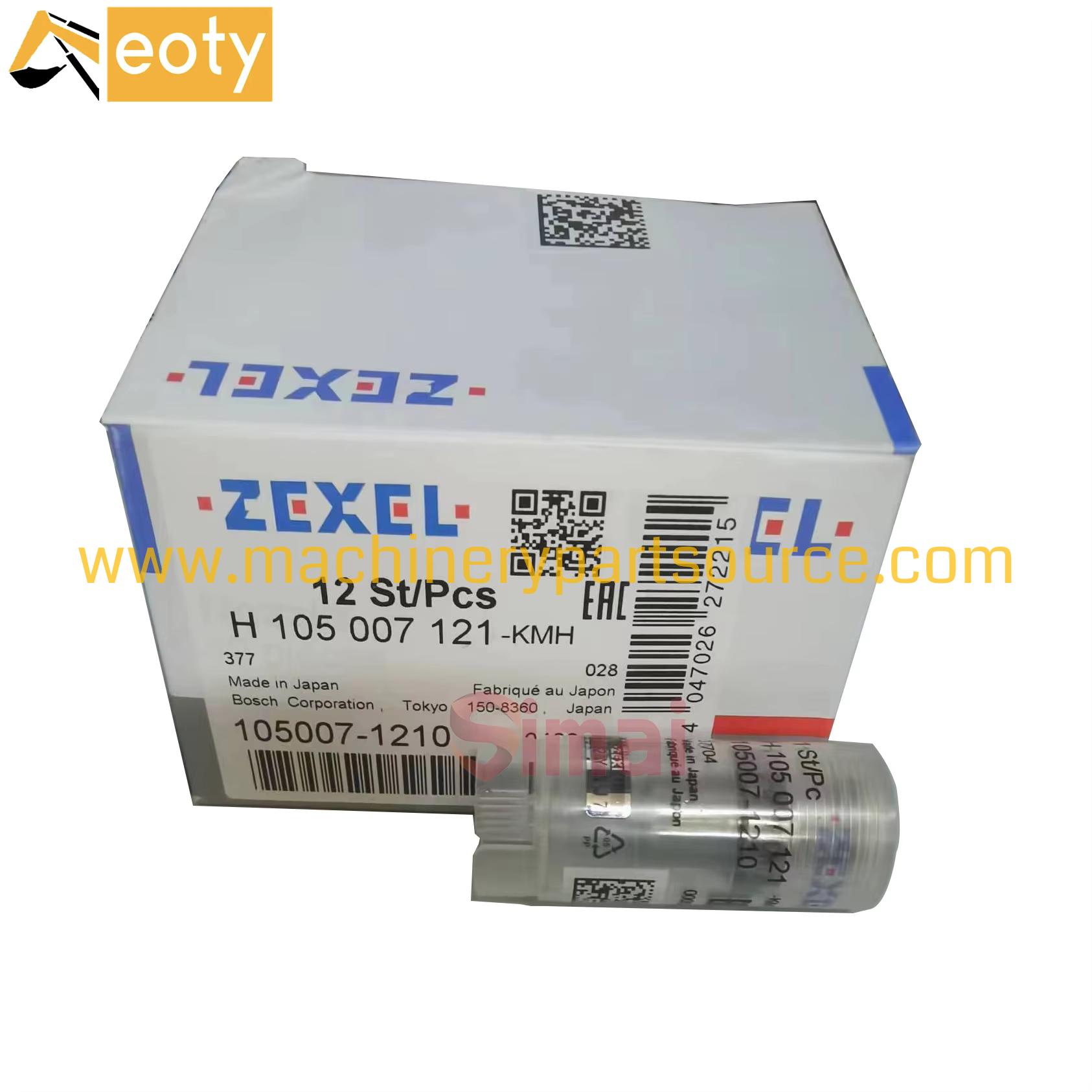
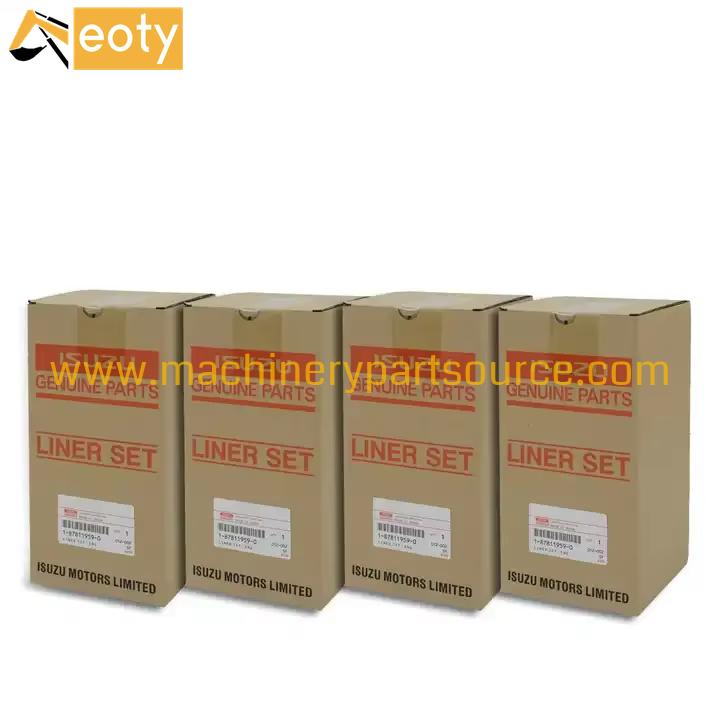
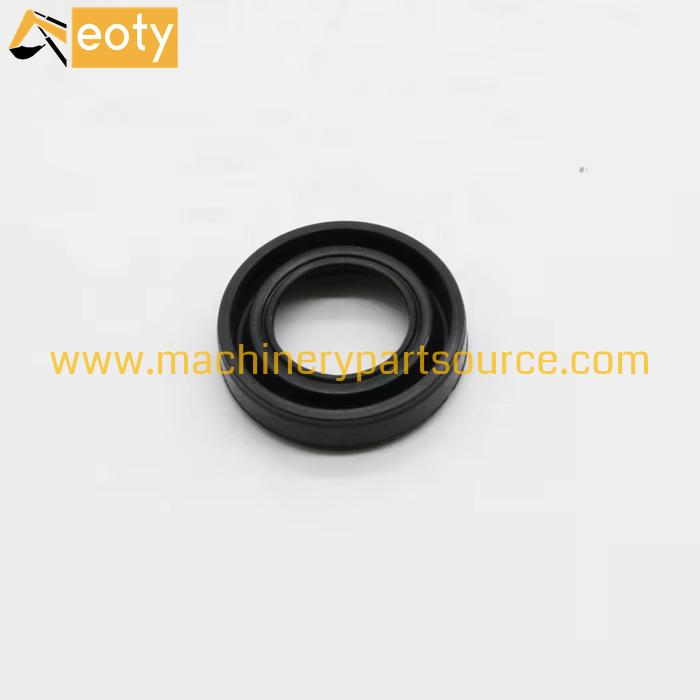
6HH1 Cylinder Liner Piston Ring Kit for 6BG1 Engine 1-87811434-0 1-11680156-0 Excavator Truck
Key Information to Gather Before Writing Your RFQ
Before you contact suppliers, collect the following data. It streamlines communication and filters out sellers who cannot supply exactly what you need.
- Engine identification: The engine serial number is typically stamped on a flat area of the cylinder block, often on the fuel pump side. Do not rely on the vehicle’s VIN alone, as engines can be swapped. Also note the frame number of the machine, the manufacturer’s model (e.g., Sumitomo SH200 excavator), and any emission labels that indicate compliance tier.
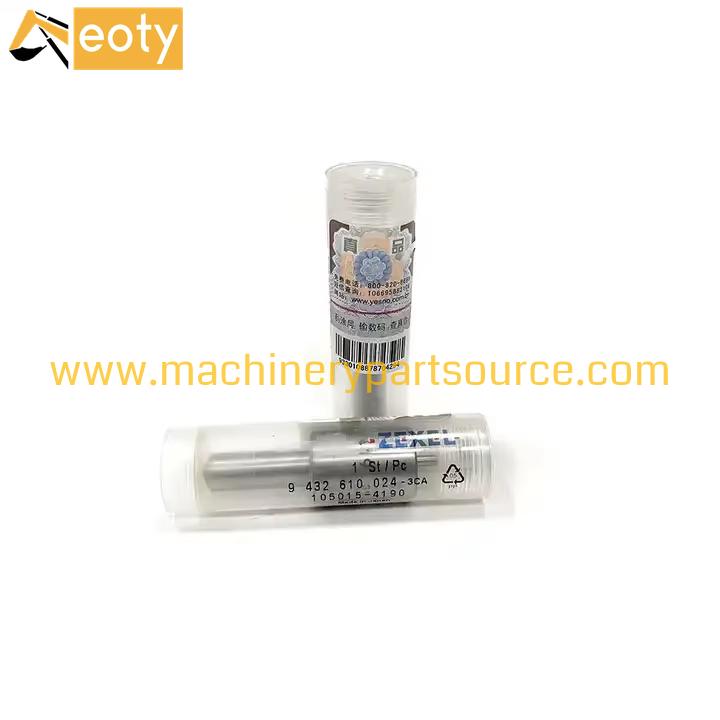
- Part numbers and specifications: If you have the existing part, read the number directly from the component. For example, an Isuzu injector will have an OEM part number stamped on it; record that number exactly. Cross-check with your parts manual. For aftermarket inquiries, provide the OEM number and let the supplier propose their equivalent.
- Quality tier decision: “OEM” typically means the part is from the same manufacturing line as the original but sold in the supplier’s packaging. “Genuine” implies factory-branded packaging and a higher price. Aftermarket ranges from premium Japanese/Korean brands to budget options. Critical parts like 6HH1 nozzles and pistons often warrant OEM to ensure precise fit and durability. For gaskets and seals, a reputable aftermarket brand may be sufficient, but verify material compatibility (e.g., metal vs. graphite head gaskets).
- Quantities and packaging: Define whether you need singles, sets of six, or bulk lots. If you manage a fleet, you might combine an RFQ for multiple engine models. Also, consider if you want parts to be individually boxed with labels for easy warehouse stocking.
Essential Components of an RFQ for 6HH1 Engine Parts
A well-structured RFQ prompts suppliers to provide the information you need for a fair comparison. Below is a checklist you can use as a template:
| RFQ Field | Example |
|---|---|
| Part name | Injector nozzle tip |
| OEM part number | [Provide Isuzu OEM number] |
| Engine model | Isuzu 6HH1-TC |
| Quantity | 6 pieces |
| Required quality | OEM or premium aftermarket equivalent |
| Packaging | Single box, anti-rust oil, export carton |
| Delivery deadline | 8 weeks from PO |
| Shipping terms | CIF Manila, Philippines |
| Payment terms | T/T 30% deposit, 70% before shipment |
In addition, explicitly ask for:
- Unit price EXW/FOB/CIF in a specified currency.
- Minimum order quantity (if any).
- Estimated lead time after order confirmation.
- Gross weight and dimensions per item for logistics planning.
- Any available discounts for larger orders.
By including these details, you reduce the need for back-and-forth emails and receive quotes that can be evaluated side-by-side.
Questions to Ask Your Supplier
Asking the right questions upfront helps you weed out unreliable traders. Here are key questions to include in your RFQ or initial communication:
- Manufacturing origin: “Are these parts produced in Japan, China, or elsewhere?” This influences quality expectations and tariff costs. For 6HH1 injectors, Japanese or well-known Korean manufacturers often indicate higher precision.
- Warranty scope: “What warranty period do you offer, and what does it cover?” A typical warranty for diesel engine parts is 6–12 months, covering material and workmanship defects. Clarify if the warranty covers labor or replacement only.
- Return policy: “What is your process if the part does not fit or fails prematurely?” Understand who bears return shipping costs.
- Quality certifications: “Can you provide ISO 9001 certification for your factory or test reports for this batch?” For injectors, a spray pattern and chatter test report is valuable.
- Sample availability: “Is it possible to order a single sample for inspection before we commit to mass production?” Many professional buyers request a pre-production sample (PPS) for critical parts.
- Reference customers: “Can you share a list of clients for whom you have supplied 6HH1 parts?” While not always provided, it builds trust if available.
Quality Checks and Documentation You Should Request
Don’t rely on verbal assurances. Request these documents to verify part quality:
- Certificate of Conformance (CoC): A formal declaration that the parts meet specified standards.
- Material Test Certificates: For pistons, rings, and liners, ask for chemical analysis and hardness test results to confirm they match OEM material specifications.
- Dimensional Inspection Reports: Particularly for nozzles and injectors, where micron-level tolerances affect performance. A report listing measured dimensions with tolerances ensures compatibility.
- High-Resolution Photos: Ask for images of the actual batch or a sample piece. Look for proper machining, packaging, and labeling. Blurry stock photos are a red flag.
- Cross-Reference Verification: The supplier should state in writing that their part number xyz is an exact equivalent to Isuzu OEM number abc. This protects you in case of fitment issues.
- Third-Party Inspection: For large or high-value orders, consider hiring an inspection company like SGS or Bureau Veritas to check quality, quantity, and packaging before shipment. Mention this in your RFQ to put the supplier on notice.
Packing, Shipping, and Payment Terms
Logistical details can make or break a deal. Specify:
- Packing requirements: For sensitive parts like 6HH1 injectors, each unit should be vacuum-sealed or wrapped in anti-rust paper, placed in an individual cardboard box, and packed in a sturdy wooden or double-wall export carton. For bulk piston sets, ensure rings are not damaged by loose movement. Clearly mark cartons with content labels, part numbers, and destination.
- Shipping method: Sea freight (LCL or FCL) is cost-effective for large, heavy orders but takes 4–6 weeks. Air freight is faster but expensive for heavy metal parts. Express couriers (DHL, FedEx) suit small, urgent packages. Provide your preferred forwarder if you have one.
- Incoterms: Define responsibility and risk. For new buyers, CIF or DAP may be safer, as the supplier arranges transport and insurance. Experienced importers often use FOB to control freight costs.
- Payment terms: Standard terms for new supplier relationships are T/T with 30% deposit and 70% after inspection or before shipment. Letter of Credit (L/C) adds cost but adds security. For small trial orders, PayPal or Trade Assurance may be acceptable. Avoid 100% upfront payment to unknown sellers.
Common Mistakes to Avoid in Your 6HH1 RFQ
Even experienced buyers fall into these traps:
- Vague descriptions: Merely stating “6HH1 injector” is insufficient when an engine could have multiple injector variants depending on emission year. Always include an OEM part number or precise engine specification.
- Overlooking regional differences: A 6HH1 engine in a Japanese domestic market truck may have different injectors than one in a European spec generator. Clarify the original market if known.
- Ignoring minimum order quantities: Some suppliers have MOQs that affect unit price. Combine parts from the same supplier to meet MOQ and negotiate better rates.
- Not requesting a sample: A full container of unusable nozzles is a costly mistake. A sample order, even at a higher unit price, protects your investment.
- Assuming faster lead times: Always add buffer time for production, holiday closures, and unexpected delays. Confirm lead time in writing.
Frequently Asked Questions About Sourcing 6HH1 Parts
How do I verify if a 6HH1 injector fits my engine?
Cross-check the injector’s OEM part number with your engine serial number. Suppliers often have compatibility databases; provide both numbers for an accurate match.
What is the difference between OEM and aftermarket 6HH1 parts?
OEM parts are produced to the original manufacturer’s specifications and typically guarantee fit and performance. Aftermarket quality varies: premium aftermarket brands may rival OEM, while generic parts might use inferior materials or less rigorous testing.
Can I use remanufactured injectors for my 6HH1?
Yes, professionally remanufactured injectors that have been disassembled, cleaned, fitted with new wear parts, and tested can perform well. Always request test data (e.g., injector pop pressure, spray pattern) and a minimum 6-month warranty.
How do I know if a supplier is reliable?
Check their business license, trade history, and ask for customer references. Independent verification companies can audit suppliers if you cannot visit in person.
Should I order a full engine overhaul kit or individual parts?
During a major overhaul, a complete kit (pistons, rings, liners, gaskets, seals) often ensures all components match and may be more cost-effective. For partial repairs, individual items are fine, but verify compatibility with existing components.
An accurate and comprehensive RFQ is the foundation of a successful parts procurement. By providing detailed specifications and setting clear expectations, you attract serious suppliers and minimize risks. Ready to source your Isuzu 6HH1 parts? Submit your inquiry now and let us help you connect with qualified suppliers.
Send your part number, engine model or machine model
Our team can check compatible excavator and diesel engine parts for your RFQ.